The ceasefire in October 2025, was intended to give children in Gaza the chance to feel safe again.
One year on, childhood in Gaza remains shaped by insecurity, displacement and loss. Children continue to endure violence, lose loved ones, be forced from their homes and separated from the people, places and routines that once offered a sense of safety and security.
In the 300 days that followed the ceasefire, more than 300 children were reportedly killed in Gaza, an average of one child every day, despite a promised pause in the fighting and greater access to desperately needed humanitarian aid.
For many children, displacement is still part of daily life, with families living in temporary or makeshift shelters. Malnutrition continues to threaten children's health and ongoing water shortages force families to choose between having enough to drink and meeting basic hygiene and health needs.
1 million+
children in need of humanitarian assistance in Gaza
60,000+
children have been killed or maimed in Gaza since October 2023
800,000+
children are internally displaced inside Gaza
Children living with life-changing injuries
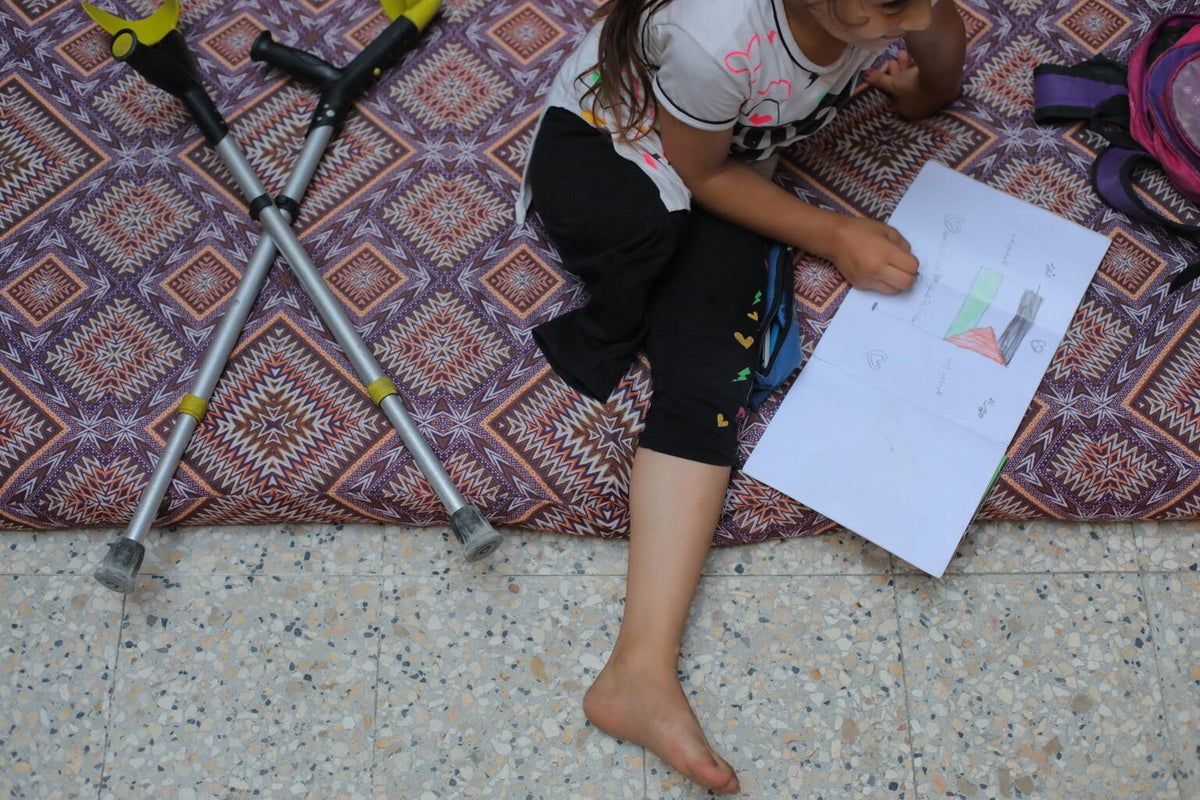
The impact of conflict can reshape a child’s life in an instant, affecting everything from going to school and playing with friends to moving around independently.
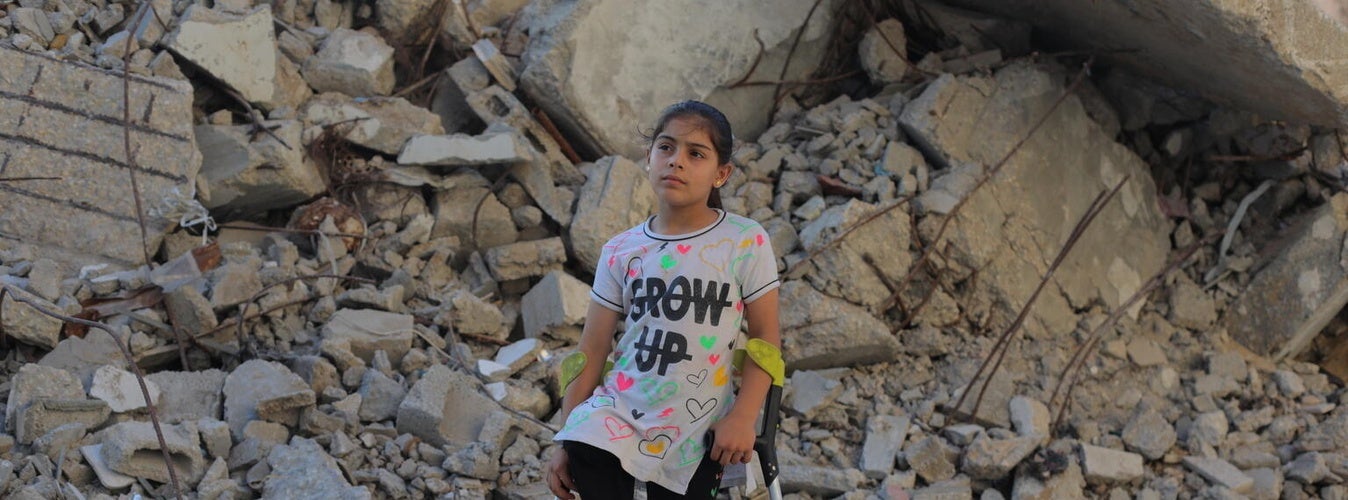
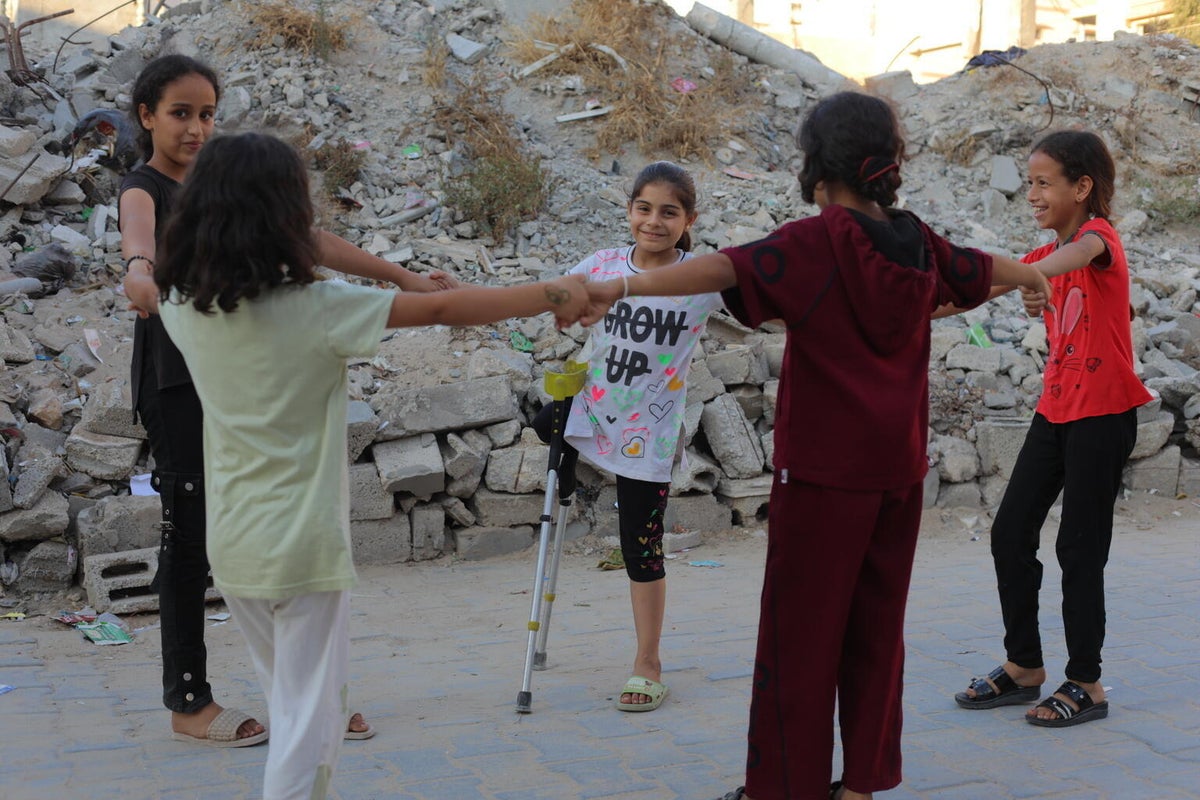
For nine-year-old Meral, life changed when her family’s home was hit. Her right leg was amputated, and she lost her mother and grandmother. Before the conflict, she loved going to school, playing with friends and drawing. Now, many of those everyday things are much harder.
“I want to walk by myself again,” she says. “I want to play with the girls at school.”
Thousands of children across Gaza are living with life-changing injuries, including 12-year-old Oday who was shot in the back while returning home with his father during the first ceasefire. After three months in hospital, Oday has been left paralysed and lives with chronic pain.
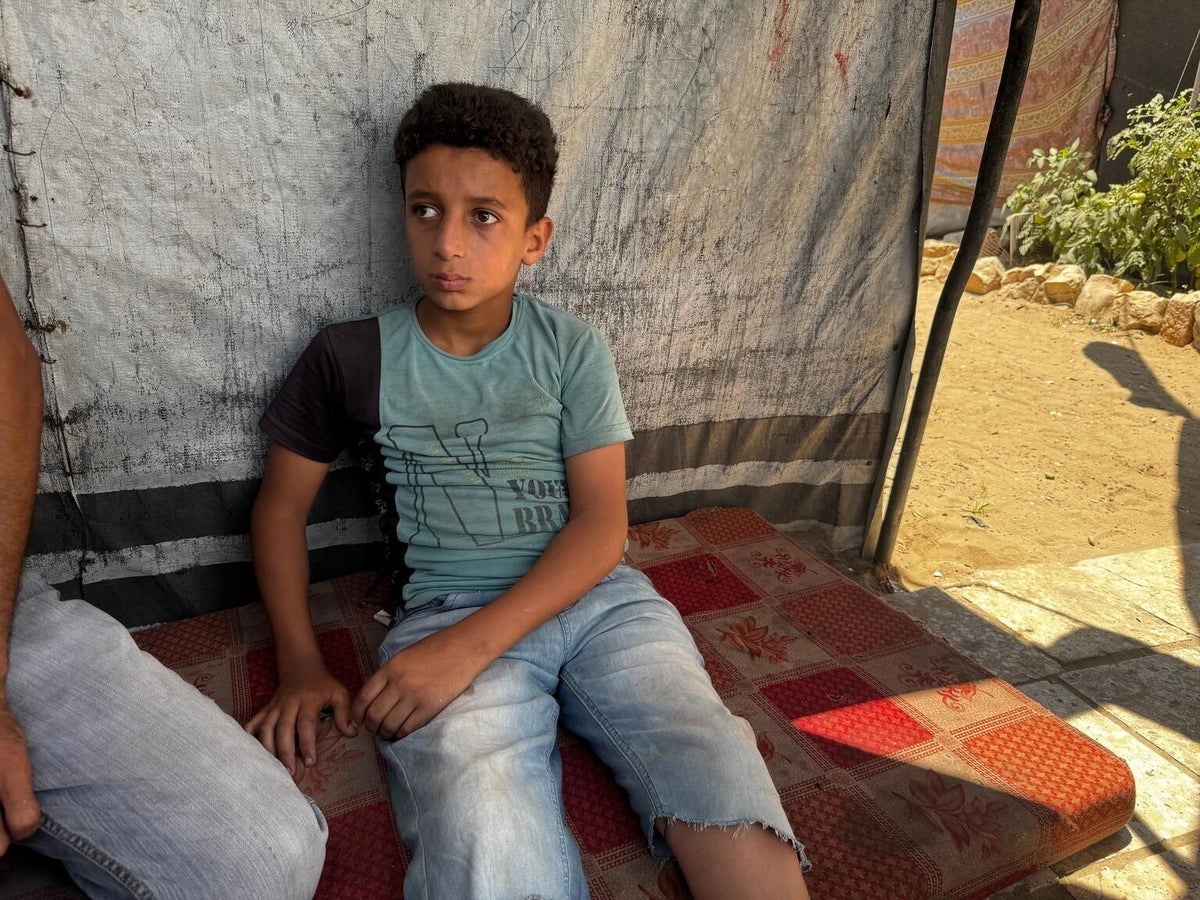
"He needs monthly medication, but I struggle to find it, and it is not available in the hospital. He also needs painkillers for the pain he suffers from every day, but I cannot get them for him."
For children like Meral and Oday, getting the ongoing care and rehabilitation they need can be incredibly difficult. Gaza’s healthcare system remains under enormous strain, with damaged facilities and severe shortages of medicines, supplies and equipment.
Since the ceasefire, UNICEF and its partners have reached more than 279,000 children with healthcare and continue to provide rehabilitation and mental health support for children recovering from life-changing injuries.
Yet even amid this immense hardship, there are still moments of hope. Children are returning to learning, families are accessing healthcare and safe water, and UNICEF continues to be there, helping children regain some of the connection and routine the conflict took away from them.
A hopeful return to learning
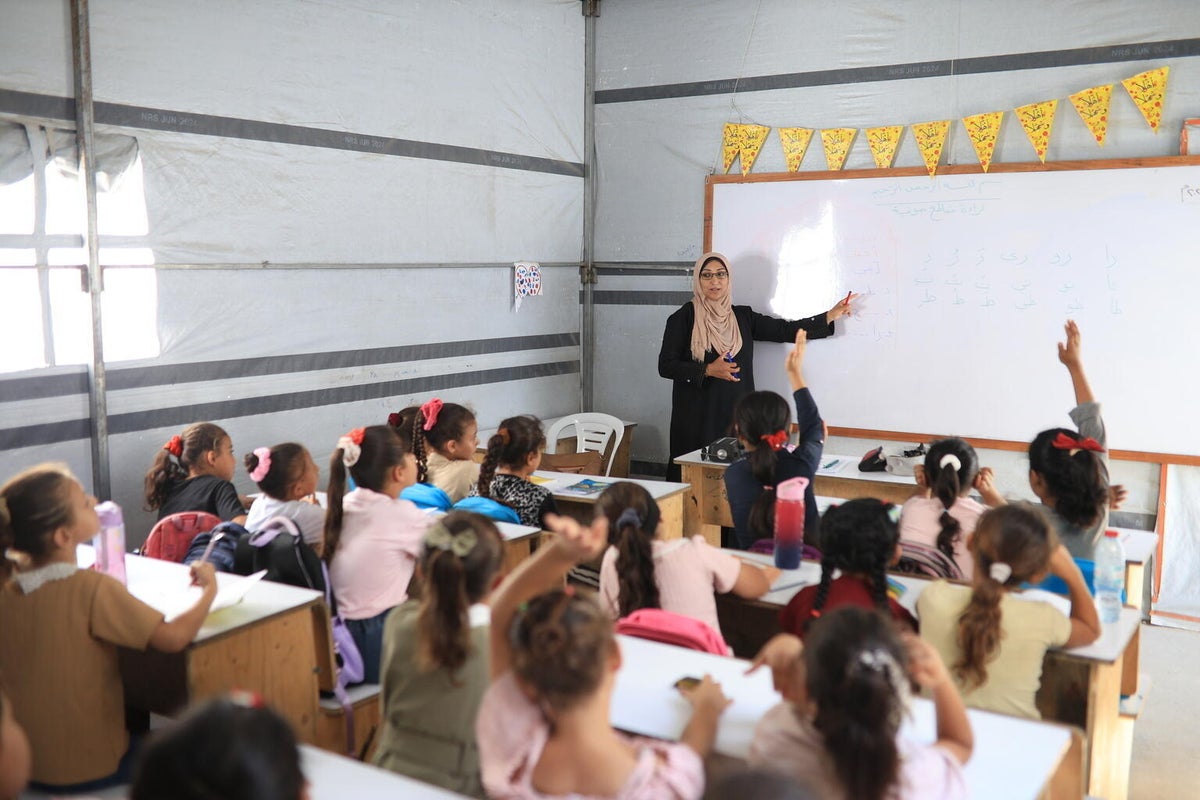
Back to school in Gaza
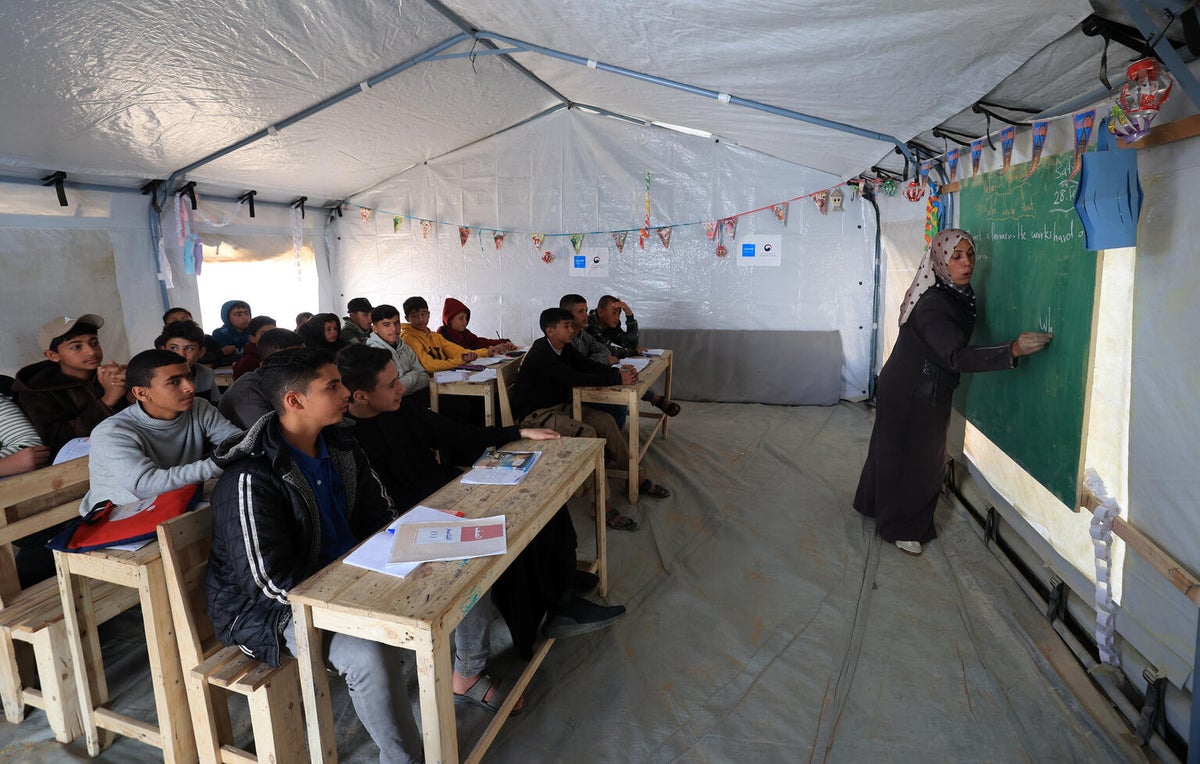
For 10-year-old Aya, hope looks like going back to school. After years of disruption, she is excited to return to learning, meet her new teacher and be with classmates again.
“This is my first day. I am so excited. My notebook and supplies are ready. I am really happy,” she says.
Aya is one of more than 500,000 of the estimated 700,000 school-aged children across Gaza who are finally returning to learning after three years without regular in-person lessons. With nearly 98 per cent of school buildings damaged or destroyed, this is far from the return to school that every child deserves. But, amid continued insecurity and extremely difficult living conditions, it is an important step towards restoring routine, connection and hope.
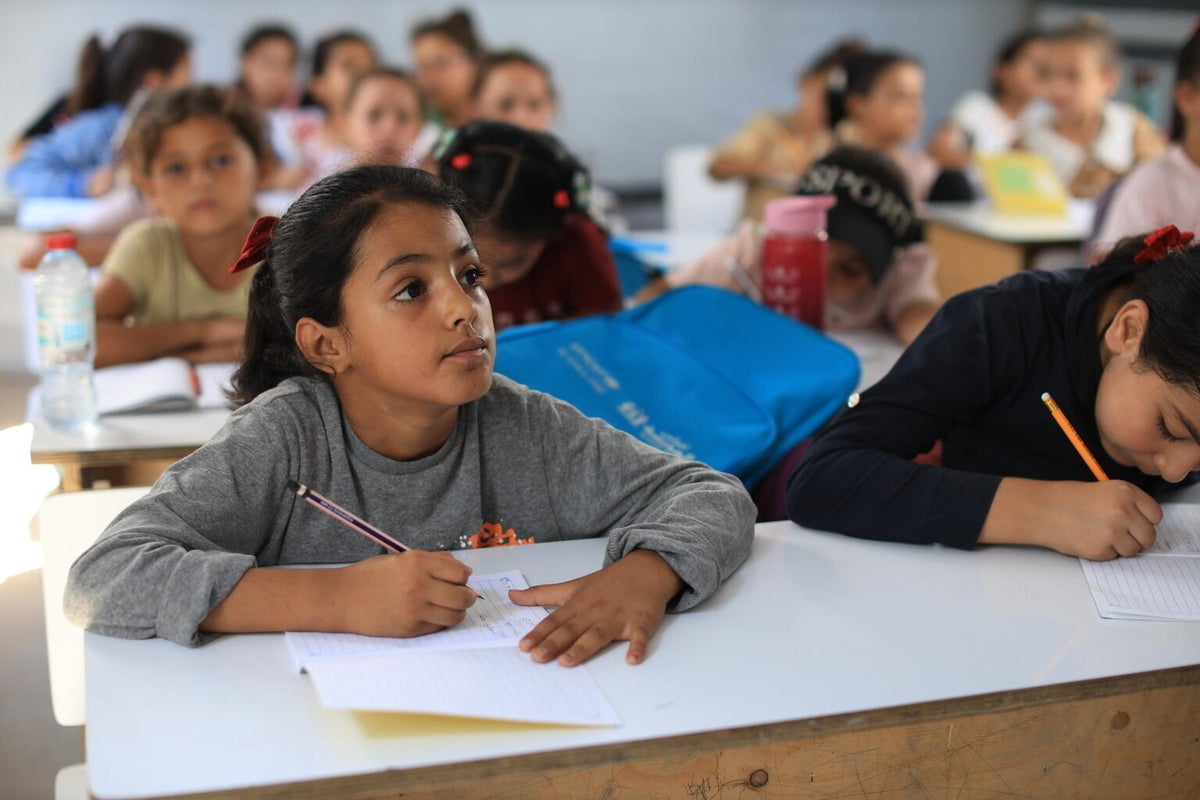
For children like Aya, returning to school is more than education. Alongside a place to learn, these UNICEF-supported centres help children access the care and support they need for their health, wellbeing and protection, such as psychosocial and child protection services.
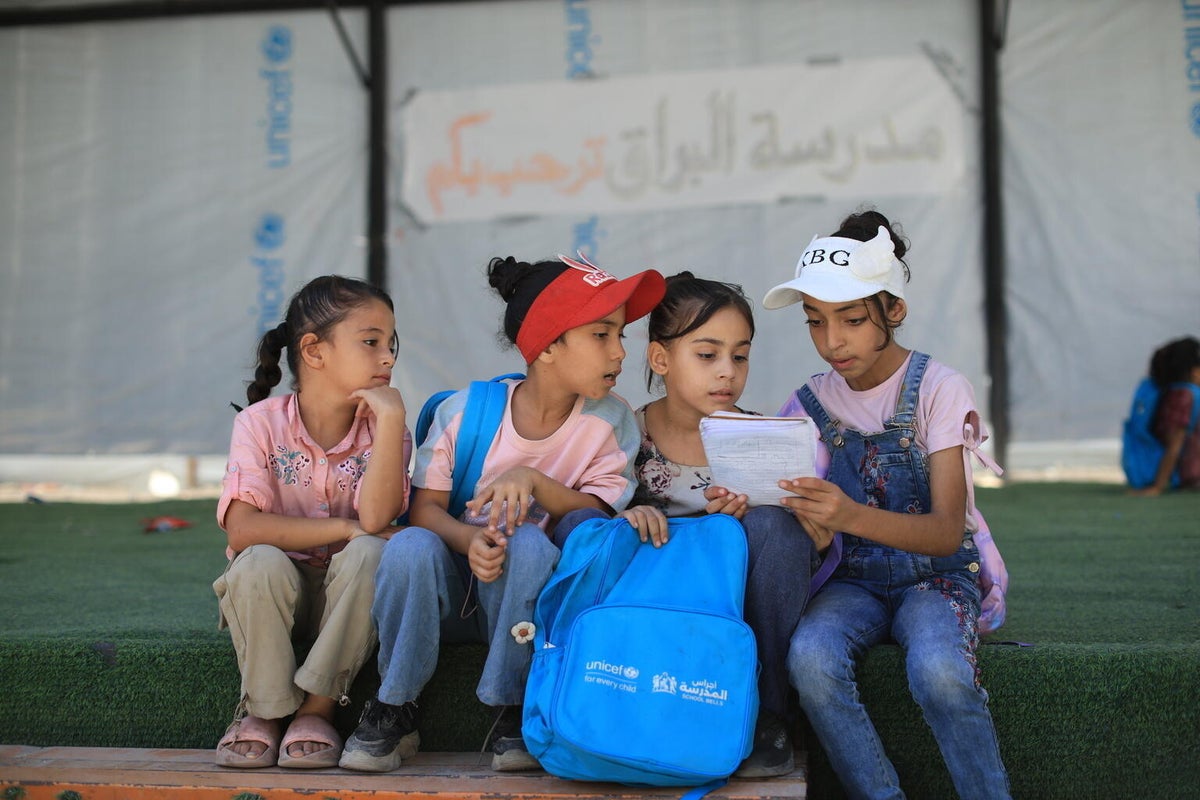
After years of disruption, returning to learning is a chance for children in Gaza to reconnect with friends, rebuild familiar routines and find moments of normality.
Delivering essential health care
Healthcare in Gaza
When a child is sick, accessing healthcare can be incredibly challenging for families in Gaza. Displacement has left many living in crowded, unsanitary conditions with limited access to safe water, while damage to health facilities and shortages of equipment and supplies have placed enormous pressure on healthcare, leaving Gaza without a single fully operational hospital.
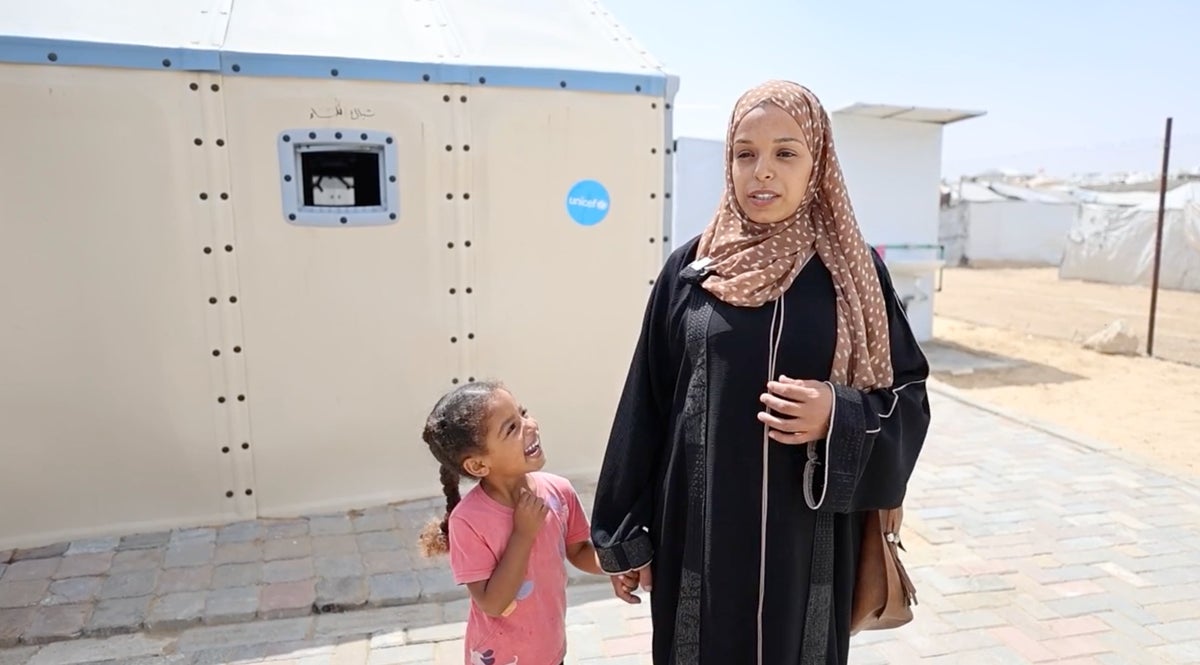
For Suha, a mother living in a displacement camp, a UNICEF-supported clinic has been a lifeline. Suha received support throughout her pregnancy and continues to bring her children to the clinic when they are unwell.
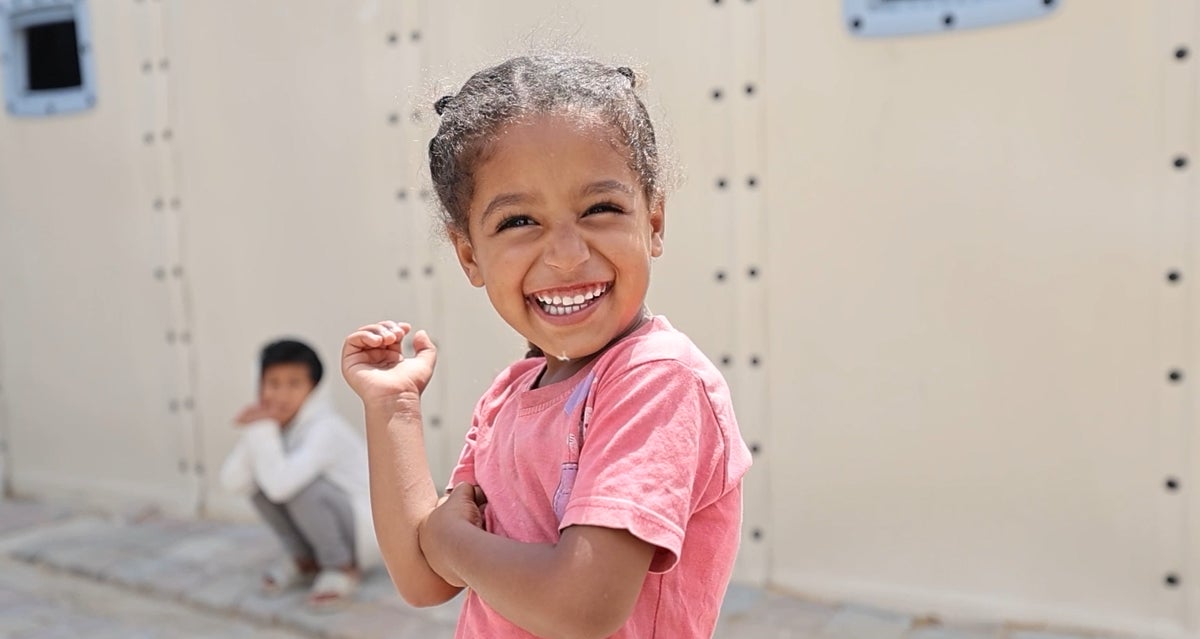
"I bring my children here if they are malnourished or sick. They get checked properly and receive the treatment they need."
In the first six months of 2026, more than 487,000 women and children accessed healthcare through UNICEF-supported health facilities.
Keeping safe water flowing
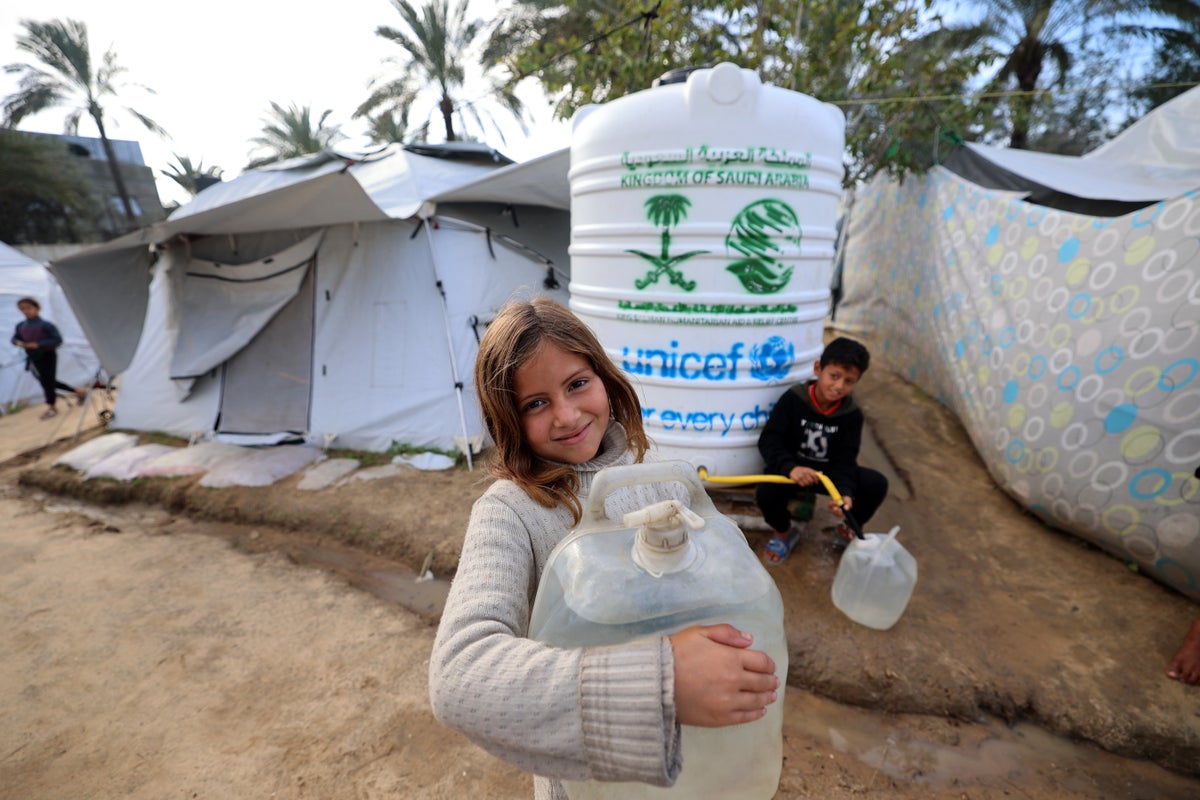
Access to something as basic as having safe water to drink or a clean bathroom to use has become a daily challenge for children in Gaza. Nearly 90 per cent of water and sanitation systems have been damaged or destroyed, placing enormous strain on the services families depend on.
Many families now rely on water trucking to meet their most basic needs, but frequent disruptions to trucking routes mean access to safe water is uncertain.
In the first half of 2026, UNICEF and its partners helped more than 1.15 million+ people access safe drinking water through emergency water trucking.
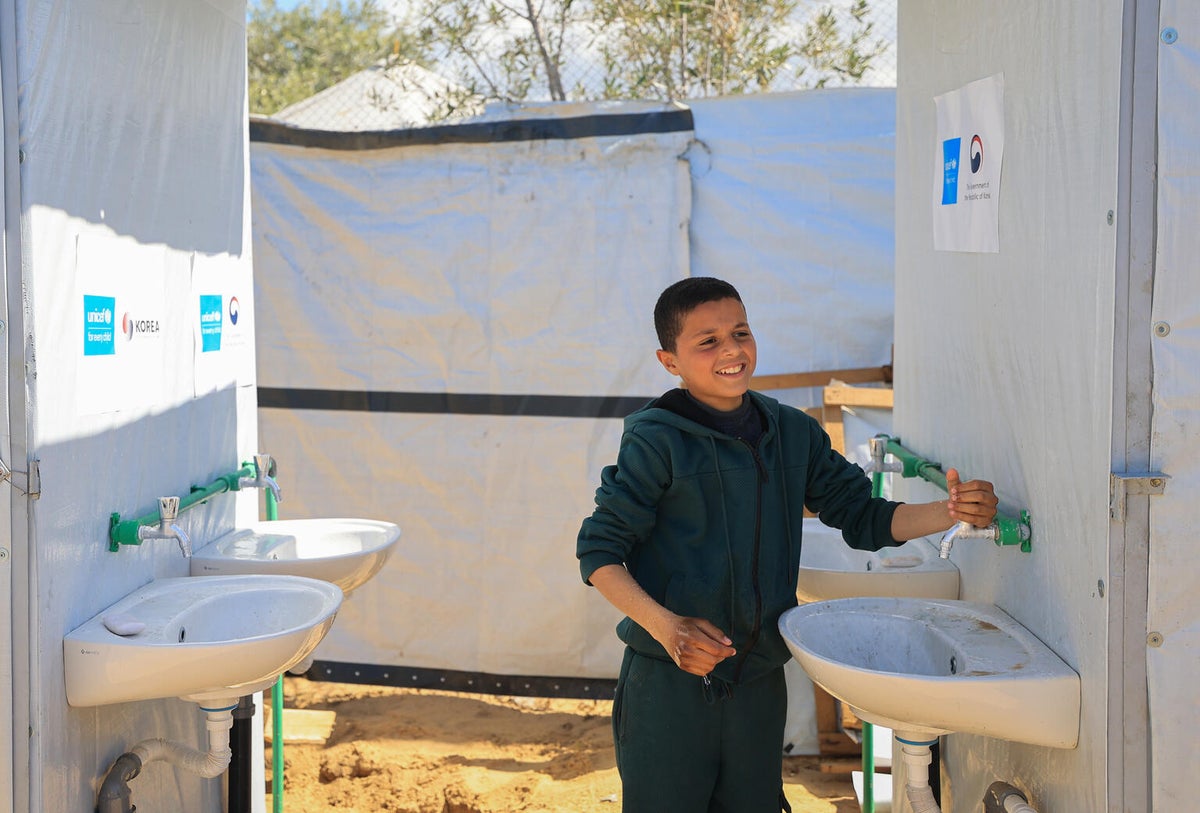
For 12-year-old Ahmed, something as simple as a clean toilet and a place to wash his hands makes a real difference to his day. At his temporary learning centre, UNICEF-supported bathroom and handwashing facilities are helping to create a cleaner, safer environment where children can learn and play.
"Before, we only had one toilet for all the students. We had to wait in long lines, and sometimes there was no water at all. Now there are several toilets and handwashing points, and we can wash our hands easily. It feels cleaner and more comfortable."
Ahmed is one of over 65,000 students that have benefited from newly installed water, sanitation and hygiene facilities at 85 learning centres in the first half of 2026.
Continuing to reach every child in need
Stories like Aya’s and Ahmed’s show the difference the right support can make in a child’s life. But across Gaza, the need remains immense.
UNICEF continues to be there for children and families, helping provide health care, safe water, education and protection in communities under enormous strain.
With your help, UNICEF can continue reaching children across Gaza with the care and support they need.

Children of Gaza Crisis
The ceasefire brings hope for children in Gaza, but the needs remain urgent. Help us scale up our response.

Related articles
Stay up-to-date on UNICEF's work in Australia and around the world