

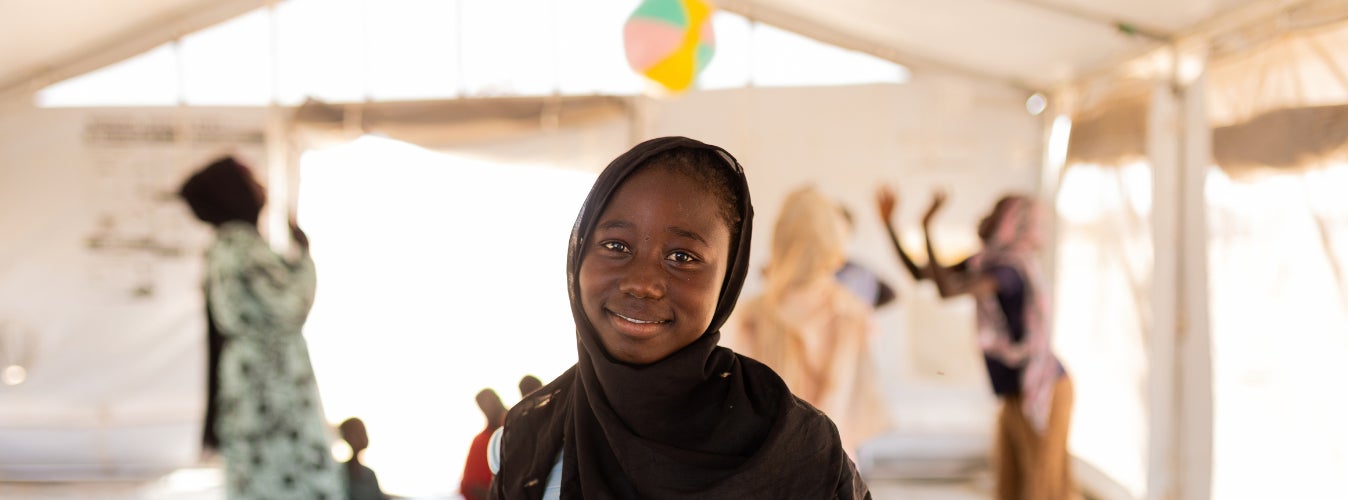
Every child deserves to grow up feeling safe. To learn. To play. To dream about the future.
But today, around one in five children around the world are living in or fleeing conflict zones, facing uncertainty, displacement and fear. In places like Gaza, Ukraine, and Sudan, many children have grown up knowing nothing but war, with devastating consequences for their safety, education, health and wellbeing.
For children caught in crisis, peace is more than a ceasefire. It means returning to school. It means having access to healthcare and clean water. It means having the opportunity to simply be a child – to play, grow and dream.
This International Day of Peace, meet some of the children UNICEF is supporting through conflict and crisis thanks to generous supporters like you. Through their stories, discover what peace means to them.
Peace means being able to access clean water
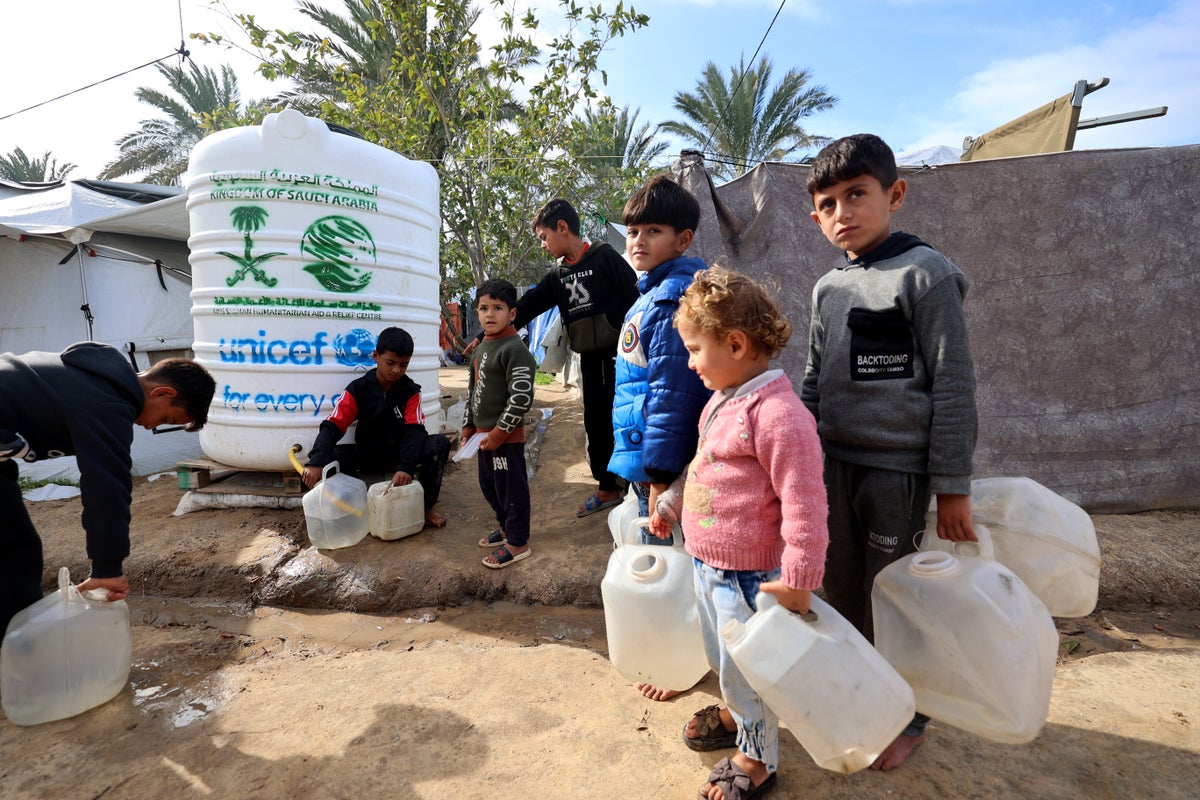
When conflict forced 12-year-old Fatima and her family to flee their home in northern Gaza, finding clean water became one of their biggest daily challenges. Her father often had to walk long distances carrying heavy containers, and sometimes the family had no choice but to use unsafe water sources, exposing them to illness and preventable diseases like cholera and polio.
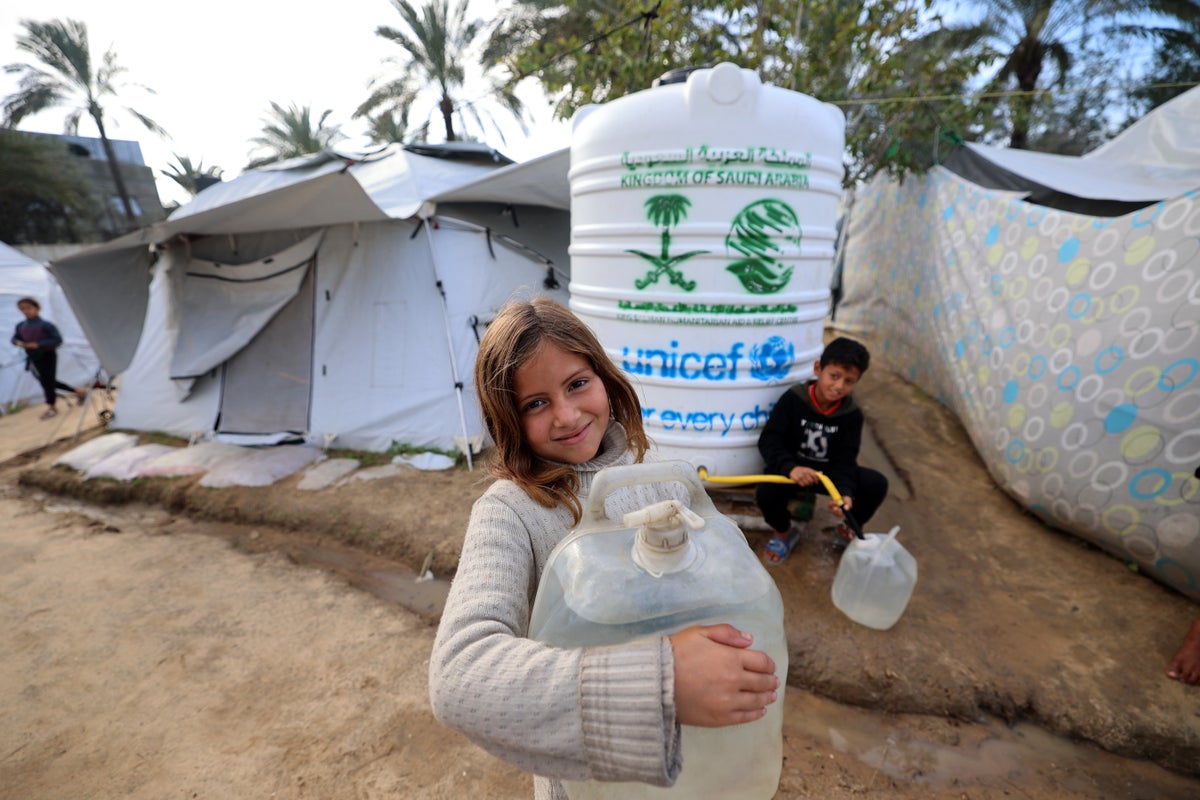
To help families like Fatima's, UNICEF is installing water tanks near displacement sites, bringing clean water closer to where families are staying. With these tanks, families can collect water faster, reduce repeated trips, and better meet their basic daily needs for drinking, cooking, and washing. For families like Fatima's, it means a small but vital step towards a healthy future that every child deserves.
"Now I can help my family bring water, and I feel more comfortable knowing there is a safer source nearby."
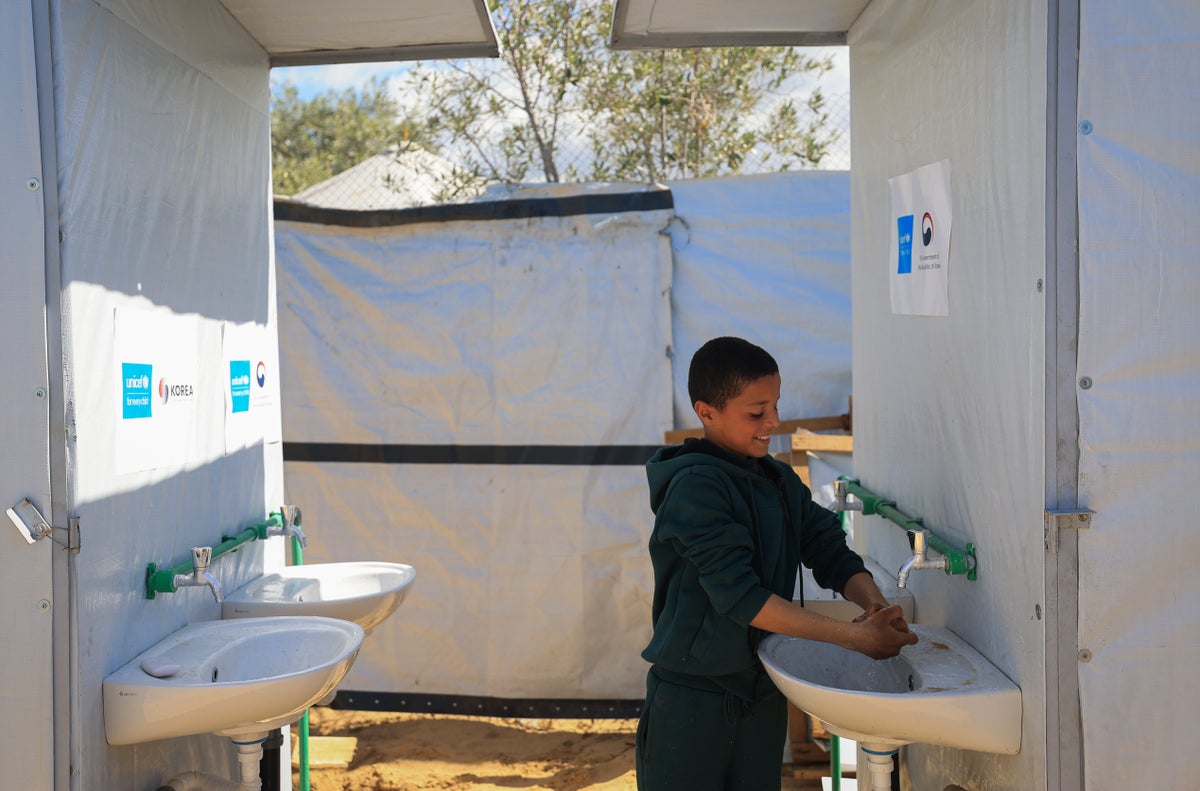
Like Fatima, 12-year-old Ahmed knows how conflict can turn everyday necessities into daily challenges. At the UNICEF-supported temporary learning centre he attends in Gaza, students once faced long waits for a single toilet and often had no water to wash their hands.
Once new water, sanitation and hygiene (WASH) facilities were installed, children like Ahmed could learn in a more comfortable environment. “These simple improvements have made a big difference in our daily lives – and they help us feel more dignity and safety inside our learning tent,” Ahmed said.
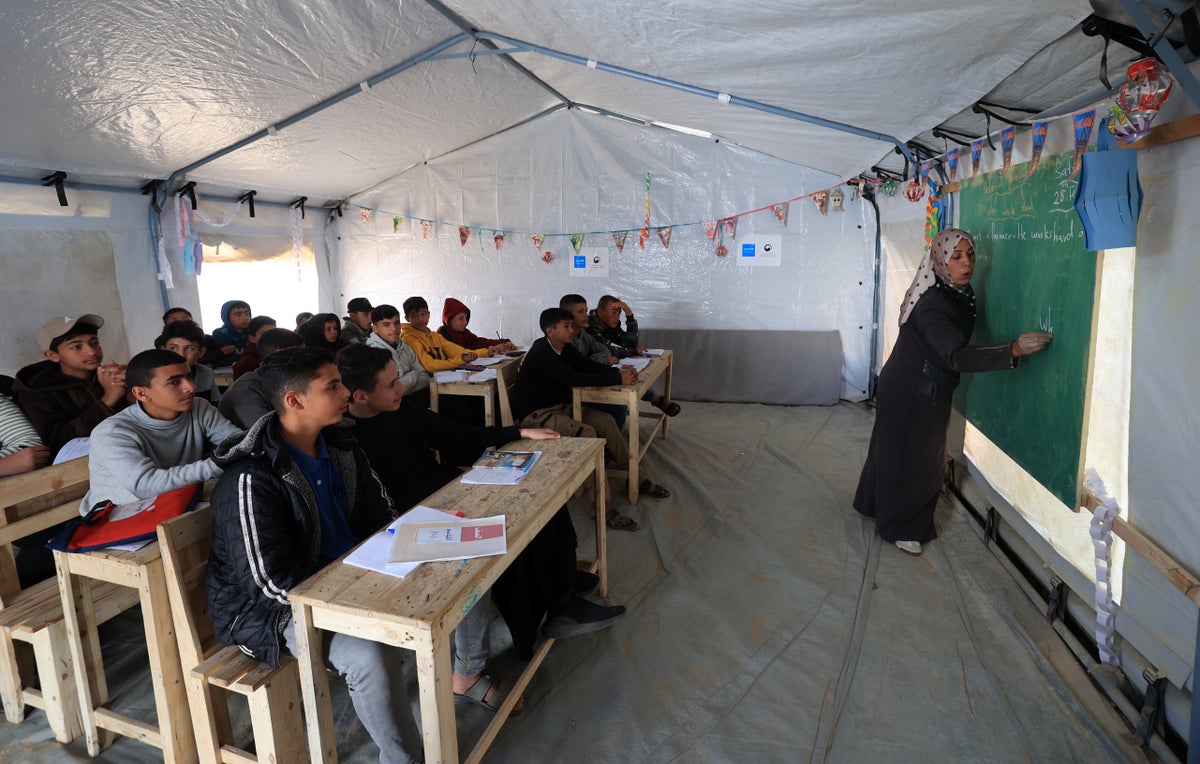
For children like Ahmed, peace means being able to learn, play and grow in a safe, healthy environment.
"I love coming here to learn. Being in class with my friends makes me happy, and it helps me feel like my life is getting back to normal. I don’t want to miss school anymore – I want to study and build my future."
Peace means having the chance to grow up healthy and strong

In Myanmar, years of conflict and instability have left many families struggling to afford the essentials. A devastating earthquake in 2025 created even more hardship, forcing families into overcrowded shelters, often without access to clean water, nutritious food, healthcare, or education.

Today, around 40 per cent of children in Myanmar under two do not have access to nutritious food, placing them at greater risk of malnutrition. For young children especially, the condition can have devastating consequences.

Twenty-month-old Hkawng Lum is one of many children receiving support through UNICEF-supported nutrition services. When he and his mother, Hawng Nan, attended a nutrition screening held for families displaced by conflict, they were both diagnosed with the most severe form of malnutrition.

They were referred for treatment and nutritional support, including Ready-to-Use Therapeutic Food (RUTF), a lifesaving treatment that helps severely malnourished children regain weight and strength. Today, Hkawng Lum is recovering and receiving the care he needs to grow healthier and stronger.
For children like Hkawng Lum, peace means having the chance to recover, grow and enjoy the childhoods they deserve.
Peace means being protected against preventable diseases
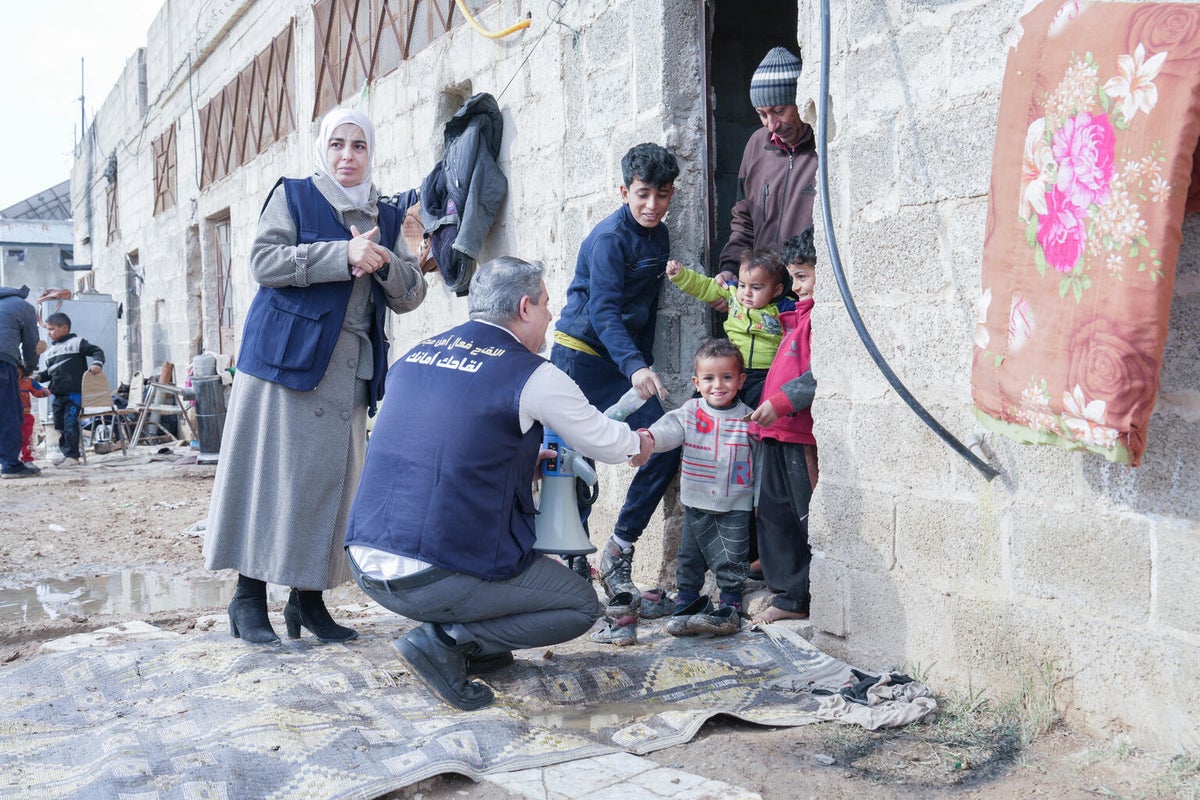
Years of conflict and displacement in Syria have meant that children like three-year-old Othman have missed out on routine vaccinations that help protect them from serious diseases.
Supported by UNICEF, mobile vaccination teams travel directly into communities in Syria, bringing lifesaving vaccines closer to children in need. They are often accompanied by trusted community health workers like Mohamed, who go door-to-door speaking with families about the importance of immunisation and encouraging parents to bring their children for vaccination.
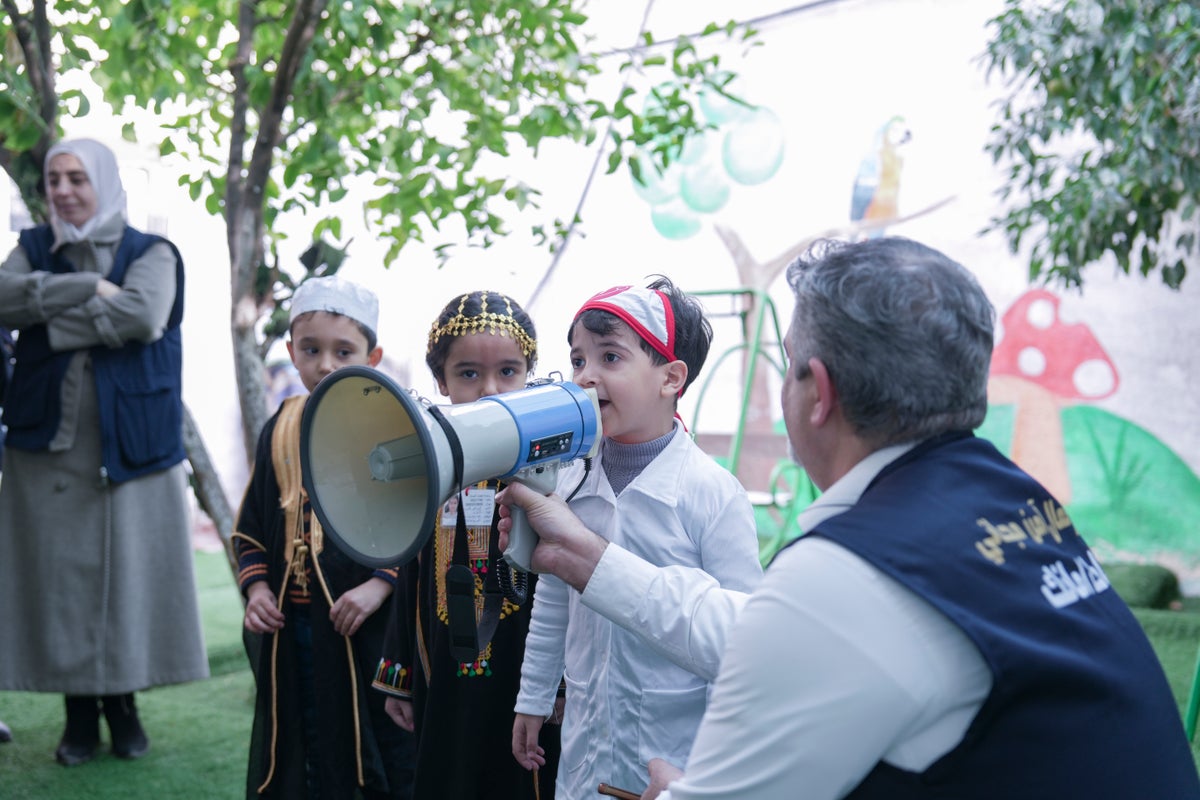
When Mohamed's team arrived in Othman's neighbourhood, it gave his family the opportunity they had been waiting for.
"We have been displaced many times. This disrupted my children’s vaccination schedule. I am grateful that the team came today to help us catch up."
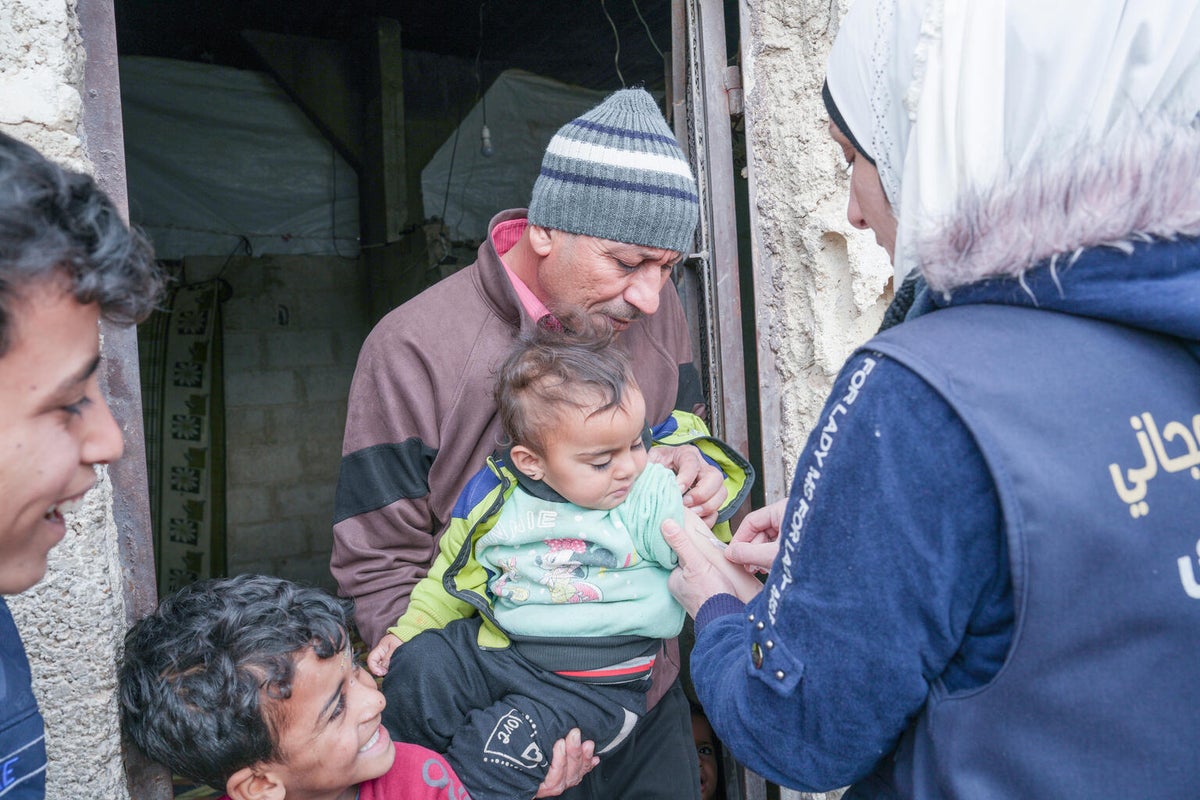
After receiving his vaccinations, Othman is now better protected against preventable diseases such as polio, measles and hepatitis B. For children like Othman, peace means a healthier start in life and the chance to continue growing and thriving.
Peace means having the chance to be a child
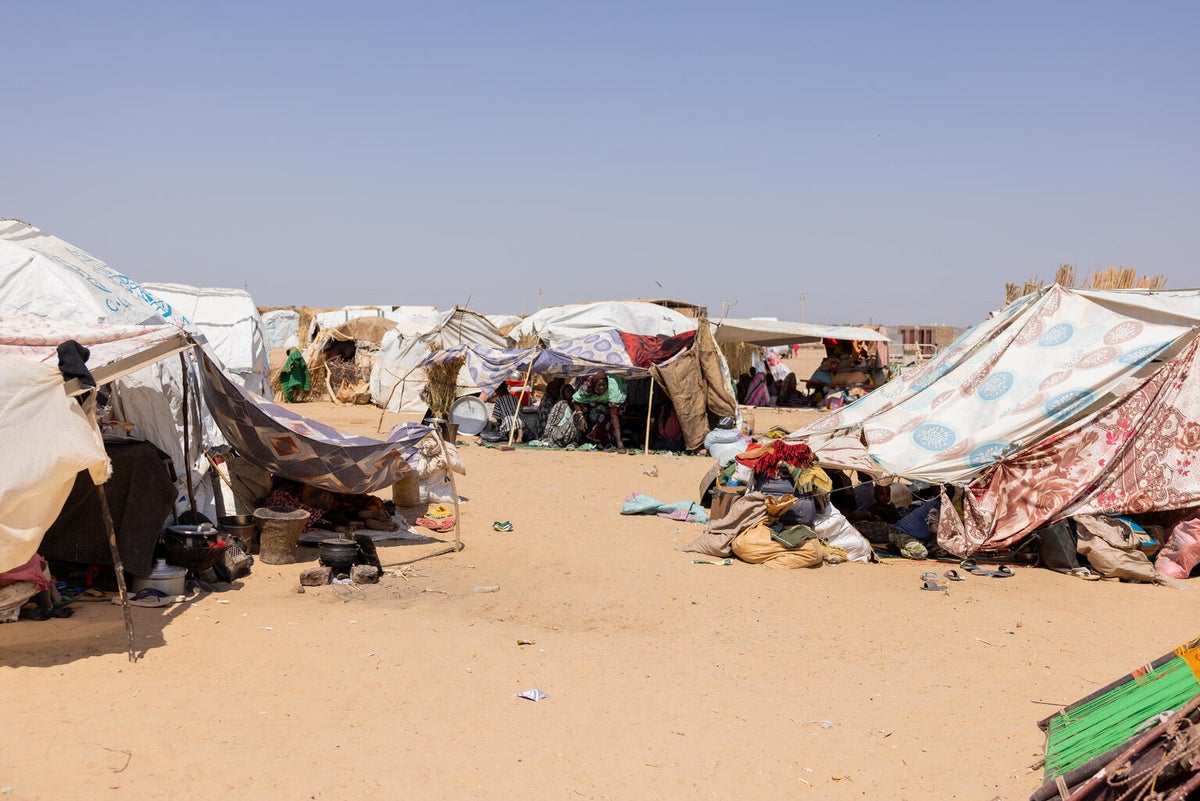
After three years of conflict in Sudan, children are facing increasingly severe conditions driven by ongoing violence and repeated displacement. Nada knows what that feels like. When violence reached her community, she and her family fled with little more than what they could carry.
"We walked for so many days that I stopped counting," Nada says.
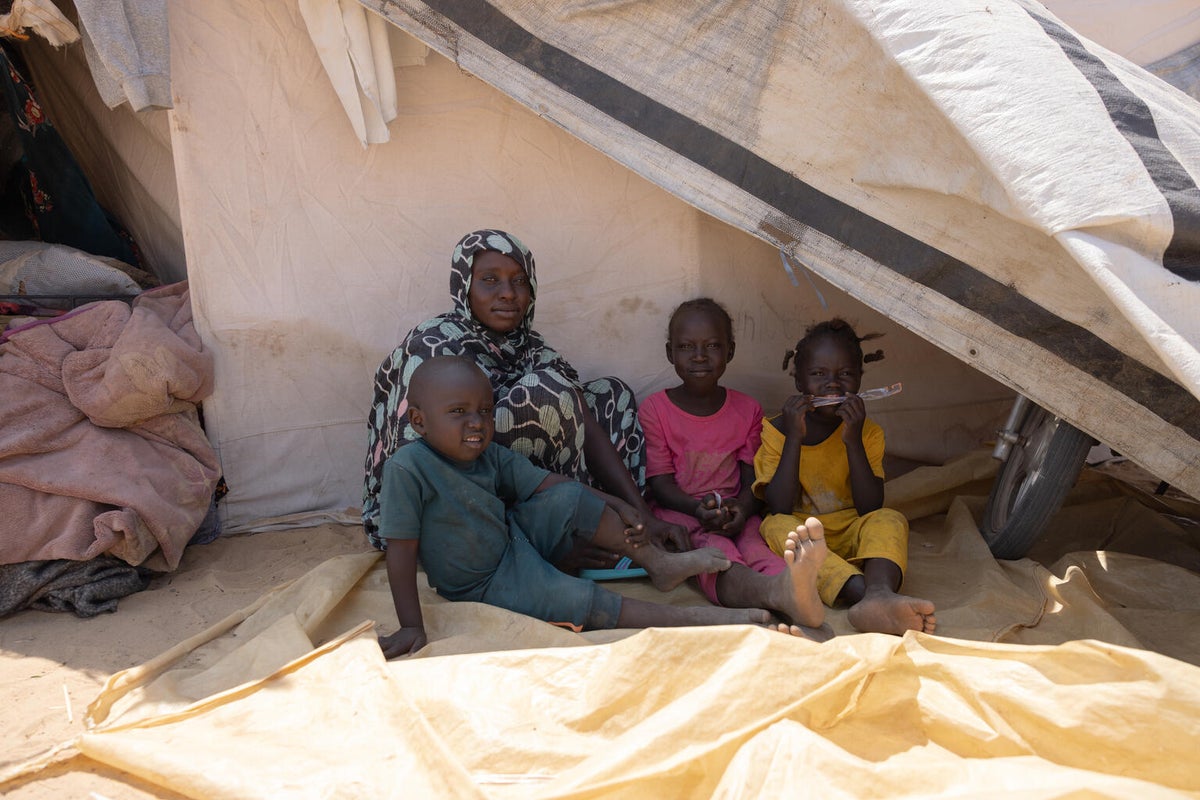
Before the conflict, Nada spent her days going to school, visiting the market and playing with her friends. Today, she is living far from home at a displacement site in Sudan, where UNICEF and our partners are supporting children and families who have fled the fighting.
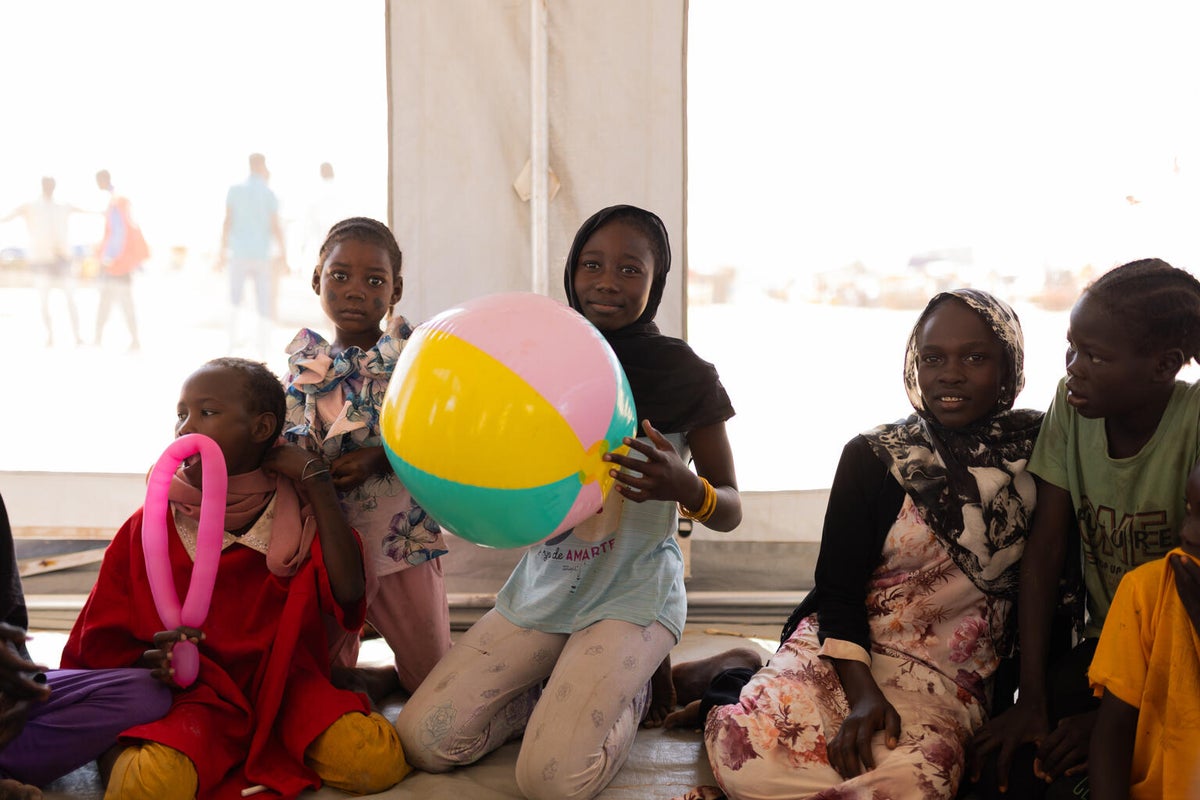
Yet amid the uncertainty, there is a place where she can simply be a child again. At a UNICEF-supported child-friendly space, Nada spends her days playing volleyball, making friends and taking part in activities that help children cope with the trauma of conflict. For a little while, their worries are replaced with laughter, learning and play.
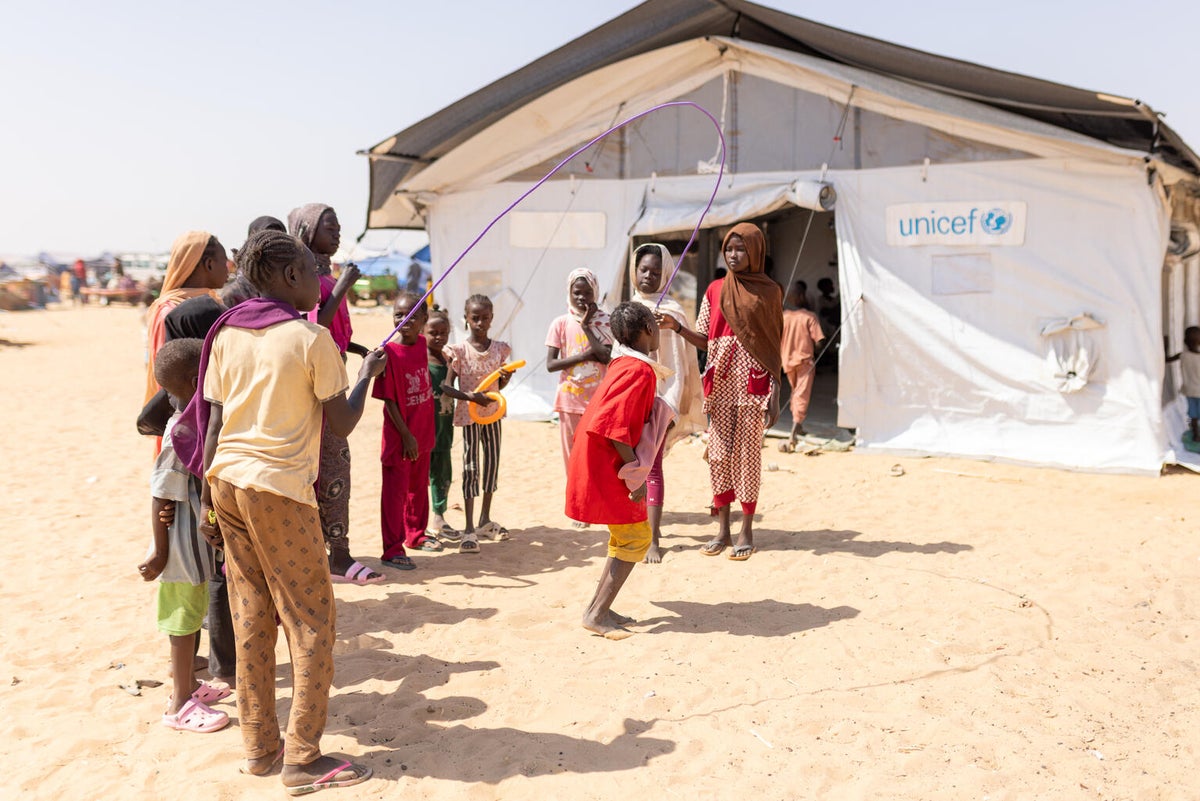
For children like Nada, peace means having a safe place to learn, play and heal, and the chance to experience the joys of childhood once again.
Peace means a chance to heal
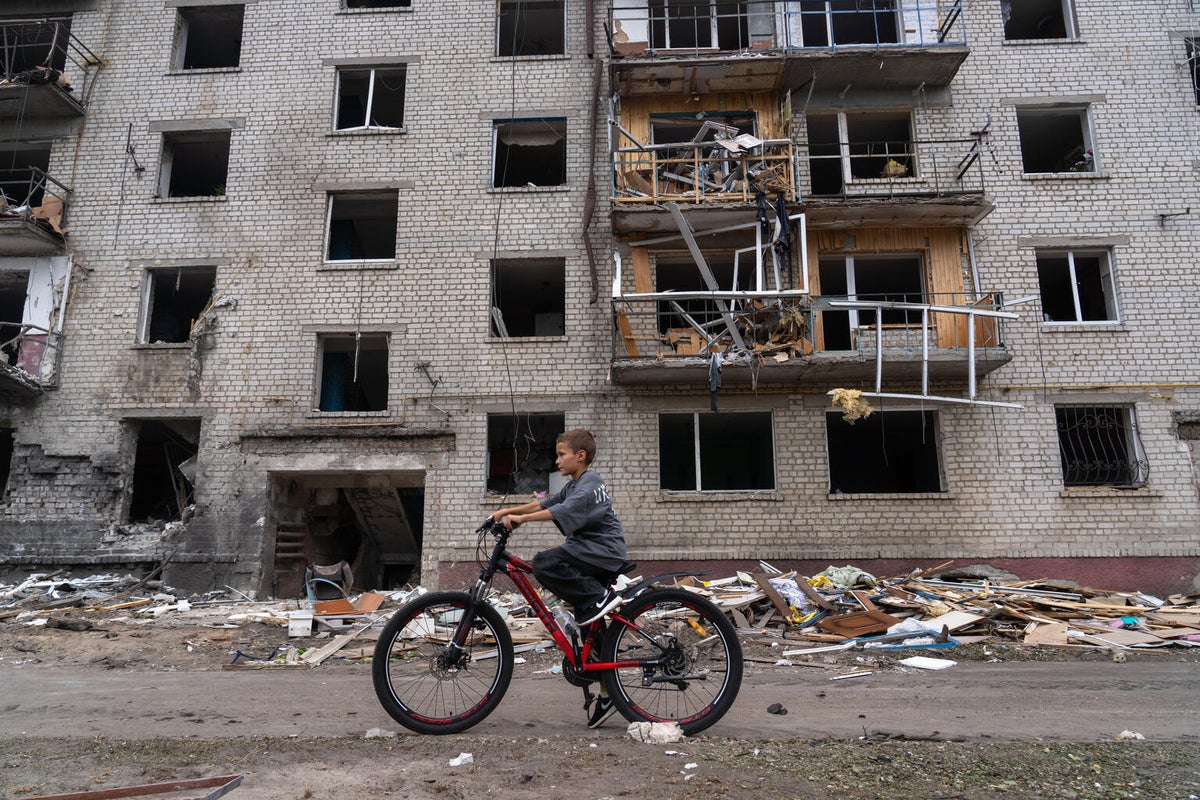
In Ukraine, air raid sirens, displacement and uncertainty remain part of daily life, taking a toll not only on children's safety, but also on their mental health and wellbeing.
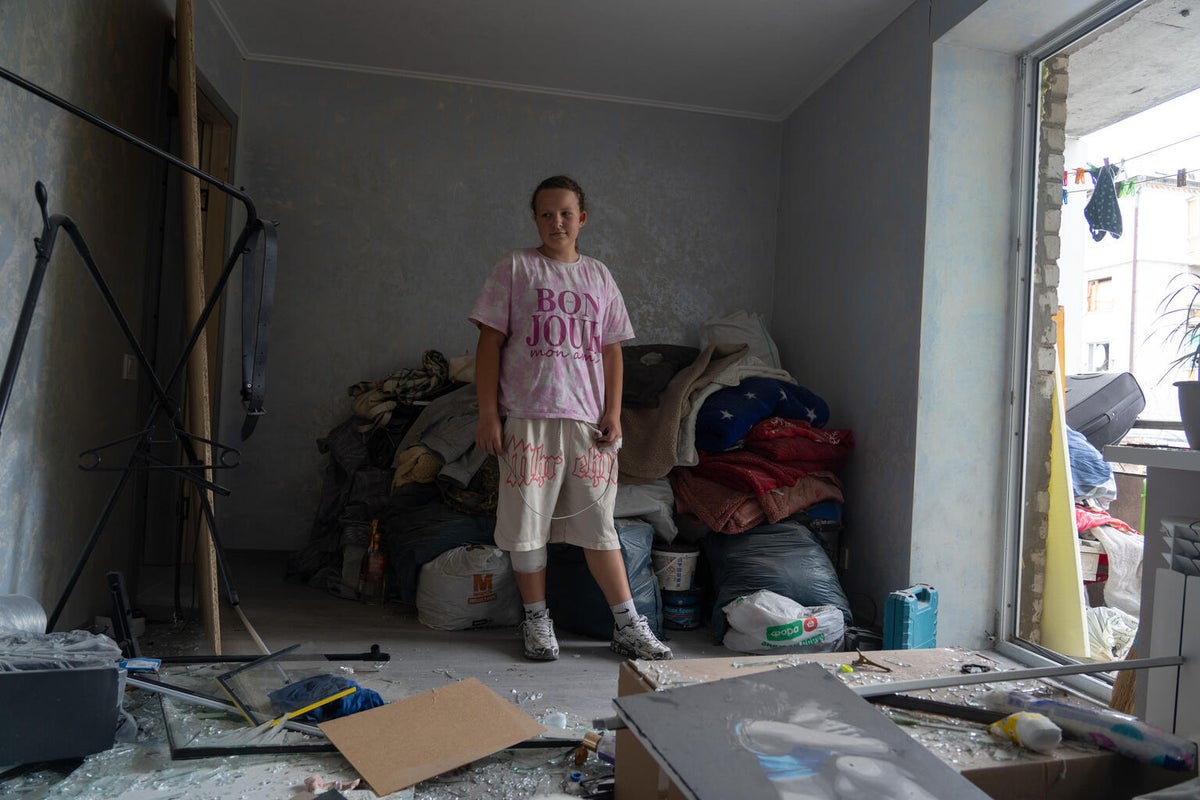
Fourteen-year-old Sofiia experienced this firsthand when her apartment building in Kyiv was damaged in an airstrike, trapping her family inside as smoke and dust filled their home. Forced to jump from a second-floor window to escape, Sofiia injured her leg and arm. Instead of attending her first day of college, where she is training to become a pastry chef, she spent the day helping salvage belongings from her family’s home.
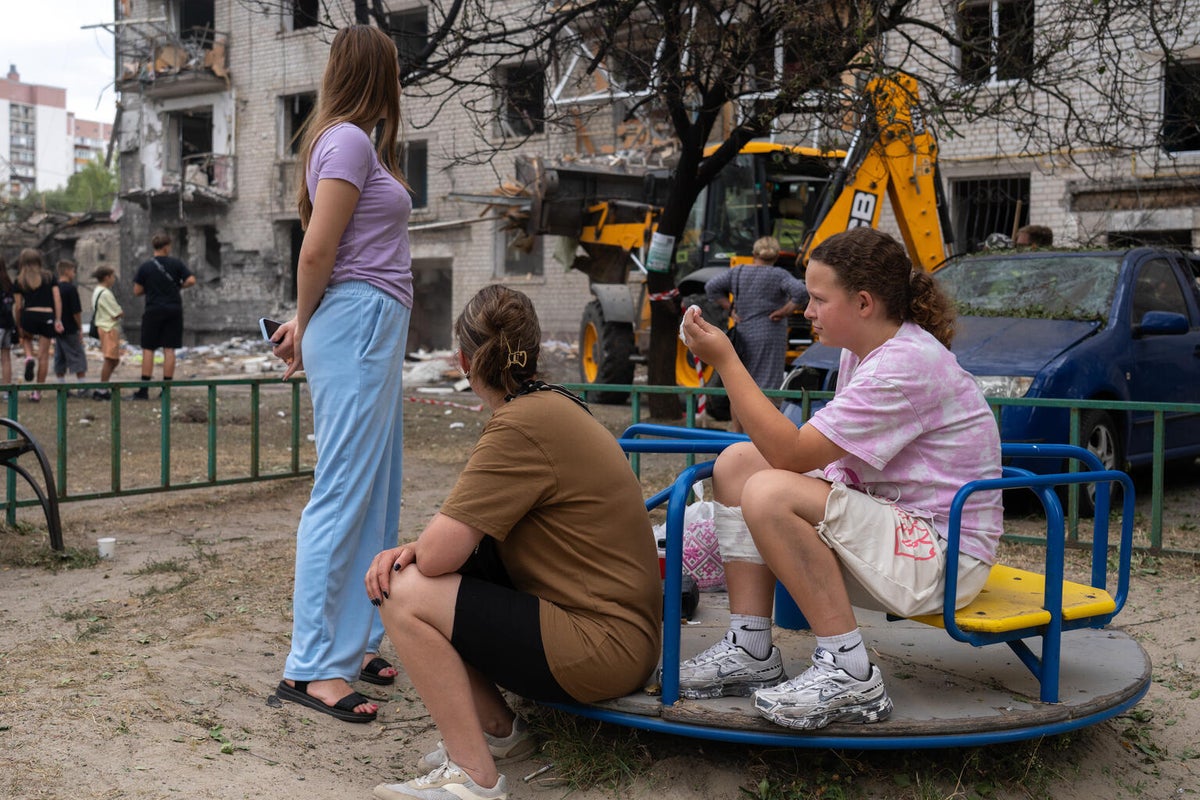
In the aftermath of attacks like these, UNICEF and our partners are there on the ground to help children and families begin to recover. Families like Sofiia’s received psychological first aid and supplies including bottled water and hygiene kits. Families affected by the attack are also being registered for cash assistance to help meet urgent needs and begin rebuilding their lives.
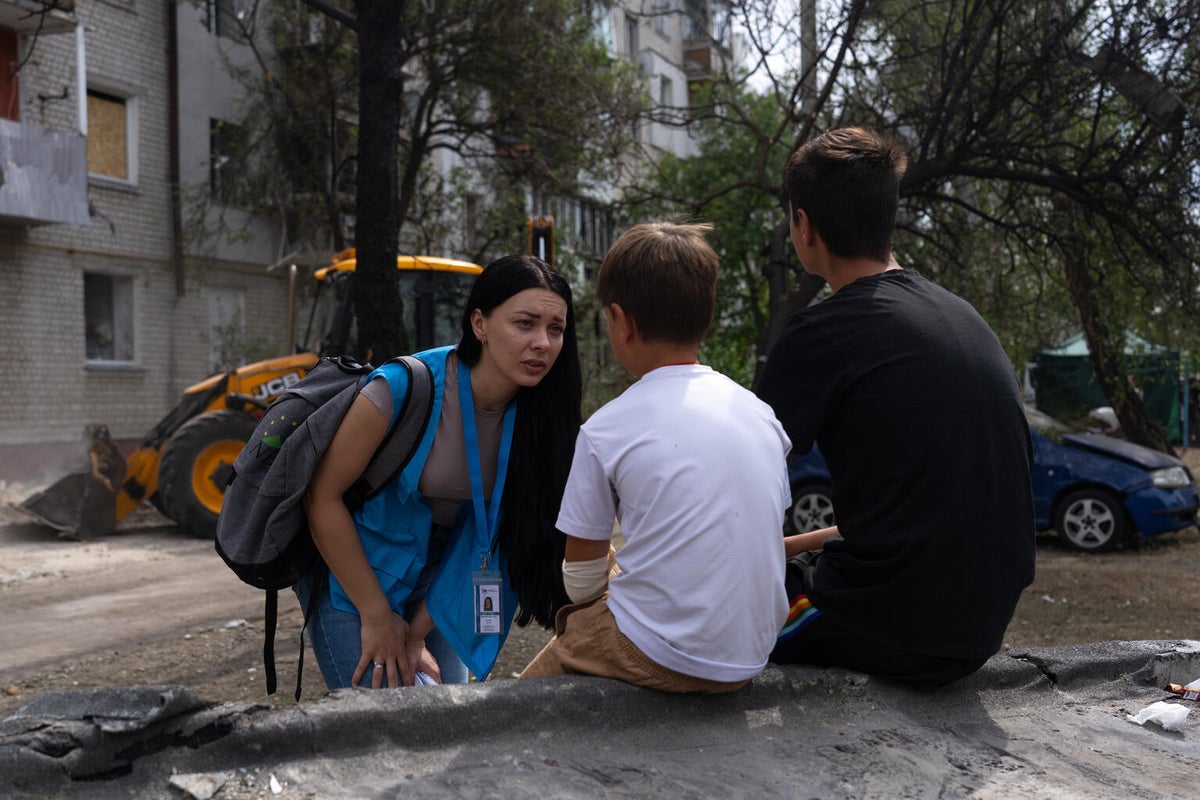
For children like Sofiia, peace means feeling safe, healing from the emotional toll of conflict, and having the chance to focus on their dreams for the future.
For every child, peace
From Gaza and the ongoing conflict in the Middle East, to Ukraine and Sudan and beyond, children have the right to live in peace, feel safe, and have hope for the future. In all conflicts children are the first and worst affected. UNICEF is calling for all parties to conflict, and for those with influence over them, to take decisive action to end the suffering of children, to ensure their rights are upheld, and to adhere to their obligations under international humanitarian law.
This International Day of Peace, you can help ensure children in conflict receive lifesaving support today and hope for a brighter tomorrow. Let’s be there for every child, no matter what.
Support children in conflict
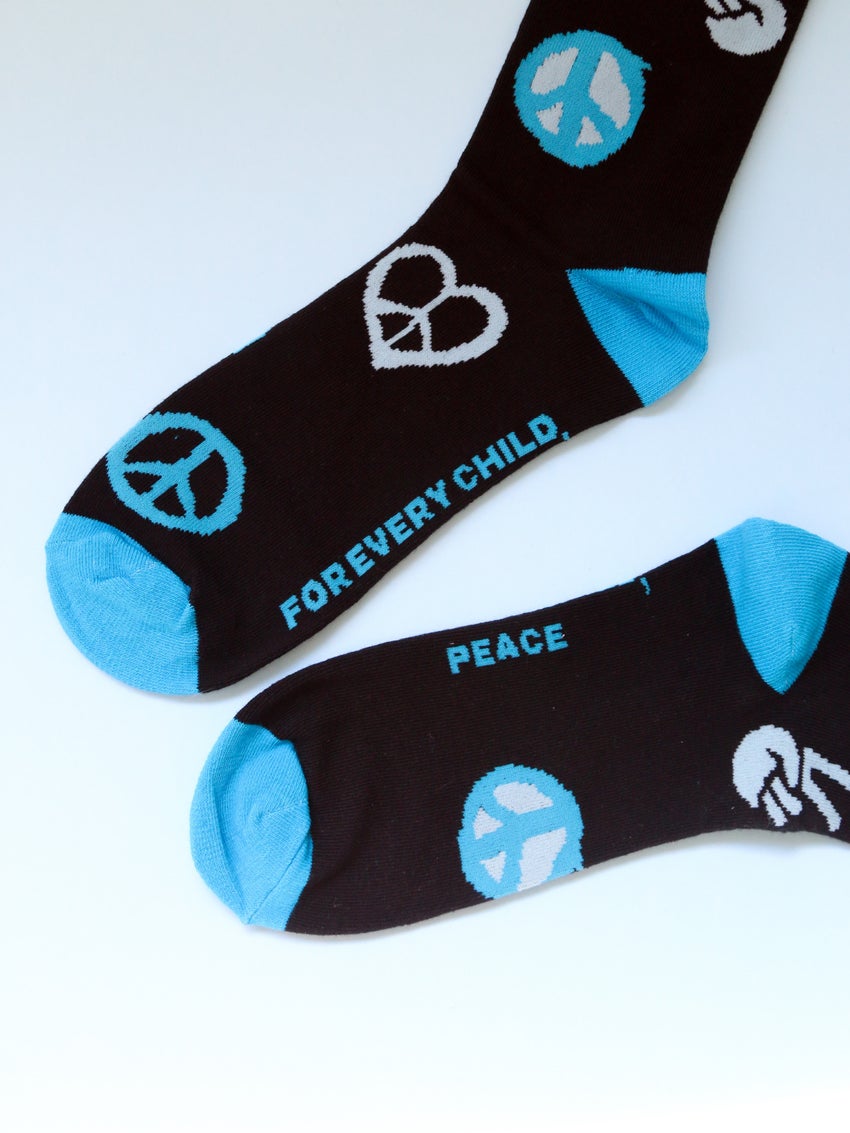
This International Day of Peace, help support UNICEF's work for children around the world with a pair of UNICEF Australia socks from the Sydney Sock Project. Every purchase helps UNICEF continue reaching children with the support they need to survive, recover and thrive.
Use the code UNICEF to receive 15% off all socks in the UNICEF Australia collection.

Related articles
Stay up-to-date on UNICEF's work in Australia and around the world


