Birth registration ensures every child is officially recognised and counted. It's an essential first step to accessing life-changing services and support.
Did you know that in Australia over 12,000 children a year do not have their births registered or receive their birth certificate? Birth registration is one of a child's first rights and provides the best start in life. Without birth registration, a child is unable to receive a birth certificate and access essential services like early childhood education, school, and healthcare. Later in life, birth registration and certification are crucial to obtaining a passport, driver's license, tax tile number and a bank account.
Equipped with new data that sheds light on the scale of the issue in our country, UNICEF Australia is calling on governments to make it easier for Australian families to register their child's birth and to make birth certificates more affordable. We want all Australian children to access the incredible opportunities having a birth certificate brings.
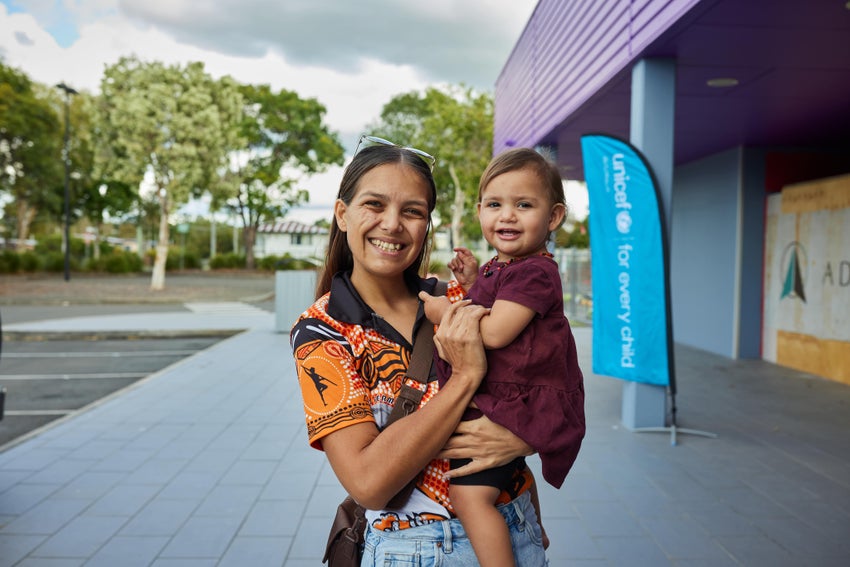
Monique's story
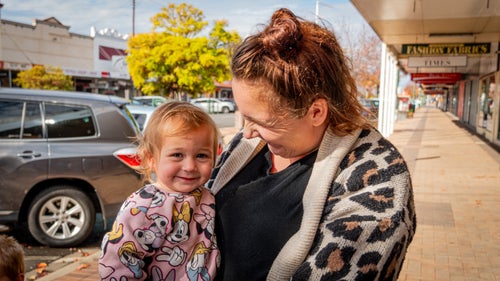
Monique has been trying to get her eldest daughter’s birth registered for nearly ten years. Without the children’s father’s ID or her birth certificate, Monique found the process difficult and could not apply for one.
"It’s been a real struggle to get any of their birth certificates and it’s held us back with childcare. I haven’t been able to get my son into most of our local early education centres and my youngest daughter has been unable to attend one too. To be able to get a birth certificate, you need a birth certificate, which is a bit complicated,” explains Monique.
Thanks to the additional support offered by UNICEF Australia’s community partner, Pathfinders, Monique has been able to register her children’s births and receive her own birth certificate.

Birth registration in Australia and why it matters
75,000+
Australian babies were not registered one year after birth from 2017-2022.
3 x
Babies in the most disadvantaged areas of Australia were over three times more likely not to have their birth registered versus those living in more advantaged areas.
Why birth certificates matter
The barriers to registering a child’s birth and accessing a birth certificate are varied. Some families find that their remote location prevents them from applying at the time of birth. For others, barriers include the cost of the certificate and application requirements, family separation, and differing literacy levels.
The consequences of starting life without a birth certificate are significant and can mean missed opportunities for children and families who may already be experiencing disadvantages. We are actively working with governments to find solutions to make it easier for all Australian families to register their children’s births and make birth certificates more affordable.
"UNICEF believes every baby born has the right to basic identity information and the opportunity for early learning, and this must be affordable for every family."
Report
Certify Hope - Rights from the Start
UNICEF has worked around the world to help governments strengthen their birth registration systems. However, our attention now turns to a country in which few people know birth registration is even an issue – Australia.
Learn about the current situation in Australia and the case for change.