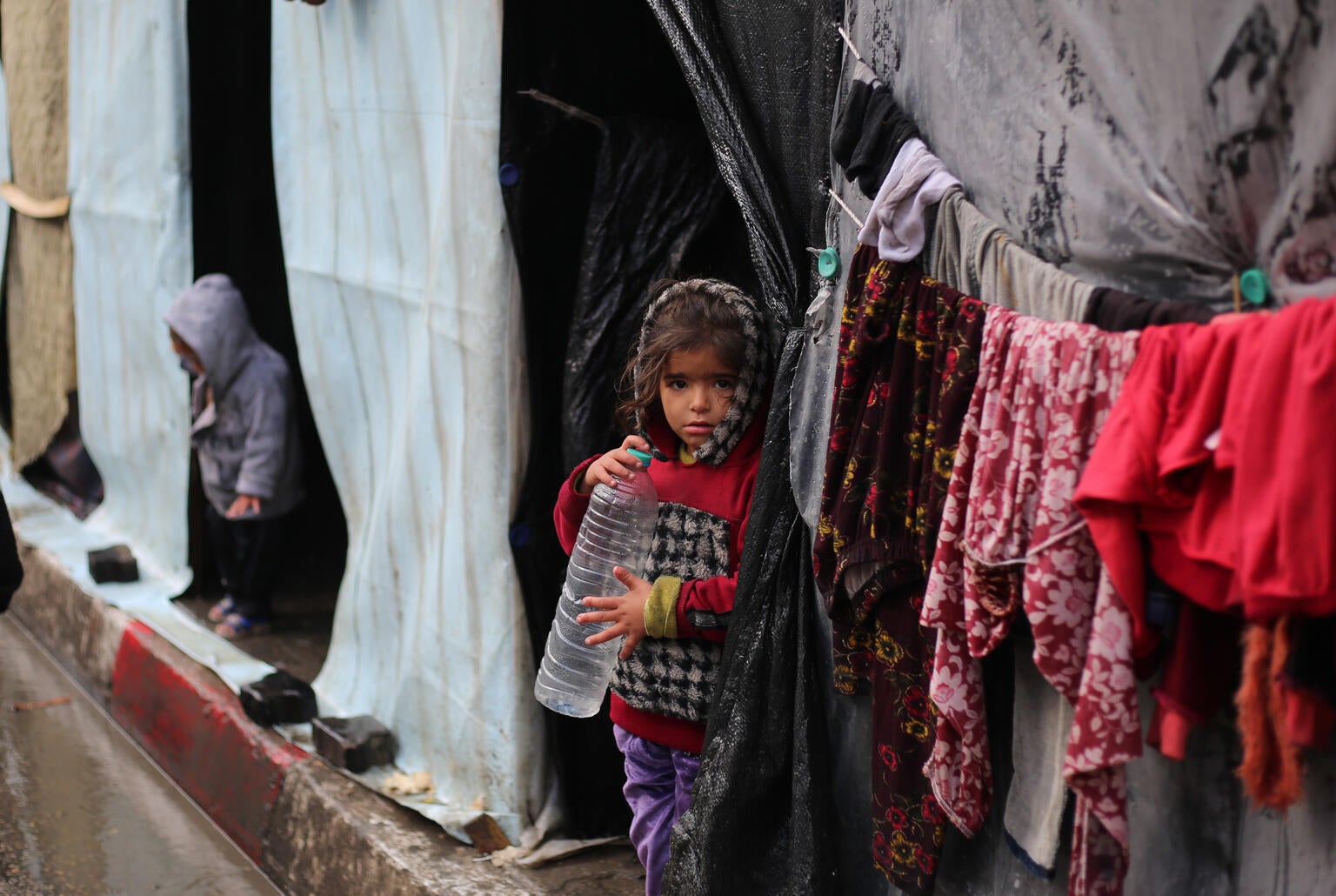
Children are being buried before they have a chance to live
The unfolding situation in Gaza is beyond catastrophic. Since the violence escalated in October 2023, tens of thousands have been killed and injured. During May 2025, in just two days alone, at least 45 children were reportedly killed – having to starve day after day, only to be victims of indiscriminate attacks.
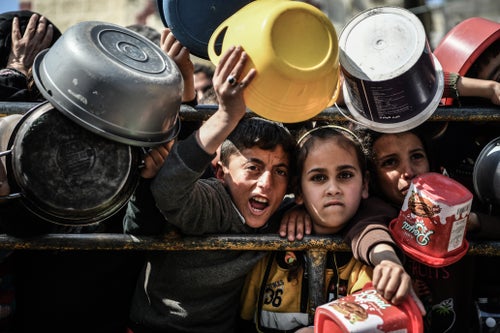
For 11 weeks, lifesaving humanitarian aid was blocked from entering Gaza – a complete violation of international humanitarian law. During this time, hunger and malnutrition intensified sharply, reversing the clear humanitarian gains seen during the ceasefire earlier this year. Now, with only a trickle of humanitarian aid allowed in, including UNICEF's lifesaving supplies such as nutrition products for children, supplements and baby complementary food, children in Gaza continue to teeter on the brink of starvation.
UNICEF continues to call for a ceasefire, unimpeded access to humanitarian aid, and the release of all hostages. All parties must take action to unconditionally protect children from harm.
The world must not look away as children are fighting for survival. Please donate today to help UNICEF continue delivering services in malnutrition, healthcare, education and clean water.
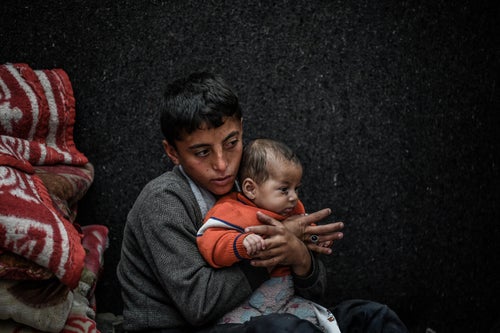
Since violence escalated in October 2023, tens of thousands have been killed and many more injured, while every child in the Gaza Strip has been exposed to deeply distressing events and trauma marked by widespread destruction, relentless attacks, displacement, and severe shortages of essential necessities such as food, water, and medicine.
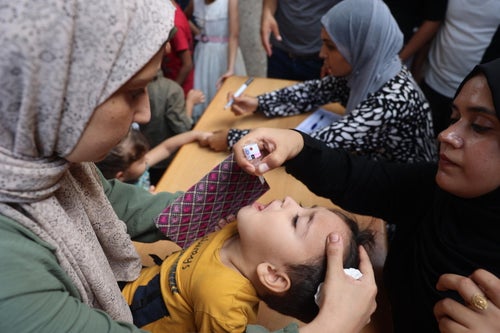
Children in Gaza, especially in the northern regions, who have survived unimaginable war atrocities, are now dying of starvation and dehydration. They are being deprived of food, water and health care while facing a looming famine. The threat of polio has also returned to Gaza after 25 years, as healthcare professionals work alongside UNICEF and the World Health Organisation to prevent a devastating outbreak.
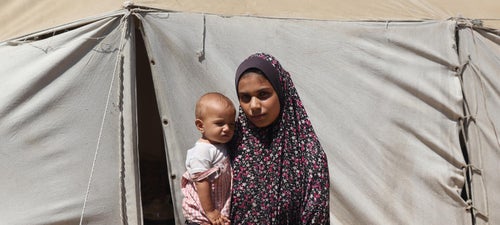
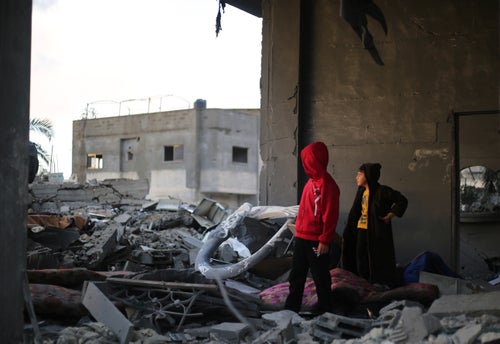
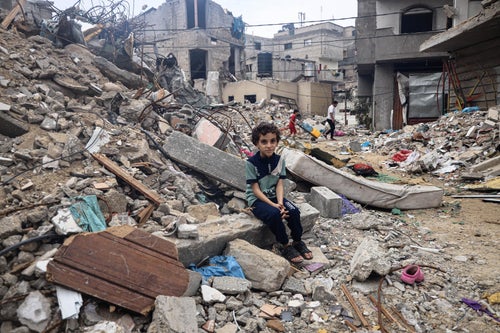
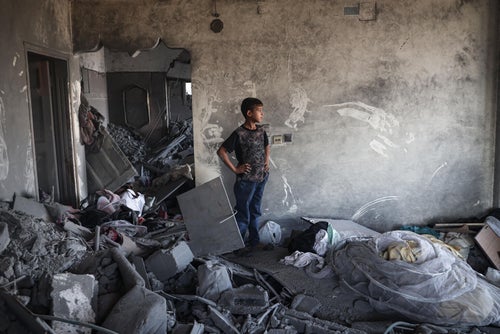
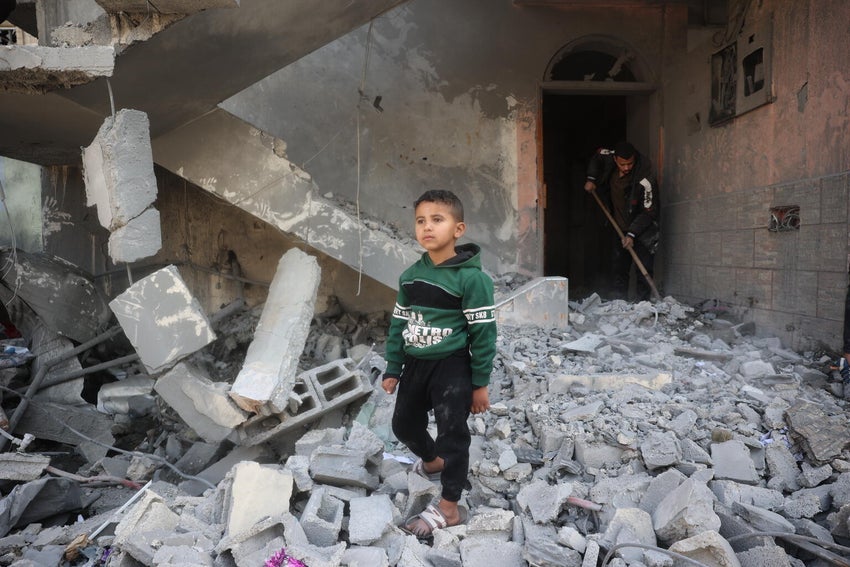
Large parts of Gaza's infrastructure, including critical water and sanitation systems, have been reduced to rubble. Over 1.9 million people are internally displaced, around half of them children, and many have sought refuge in overcrowded shelters with extremely limited access to water, sanitation and hygiene – conditions that are especially dangerous for young children.
Access is difficult and limited, but our teams won’t give up trying to get critical supplies to children.
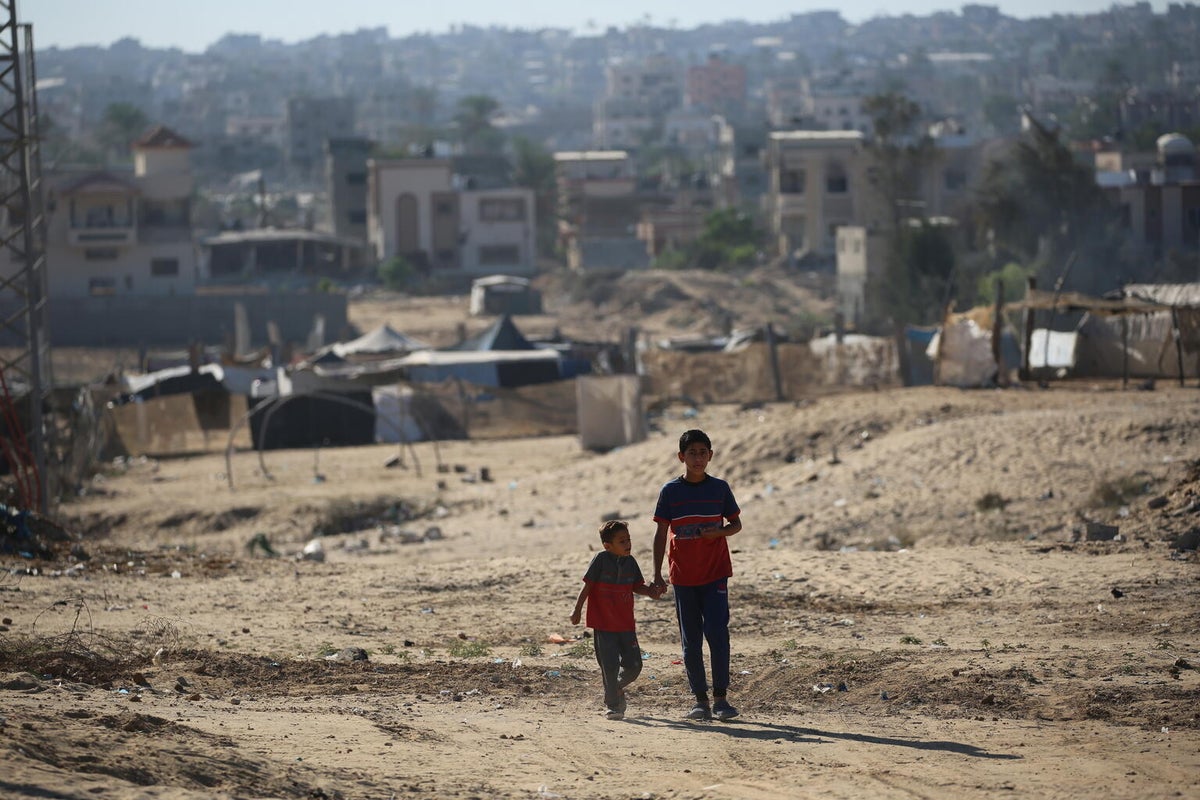
Conflict and horror are devastating children's lives
Latest statements from UNICEF
Statement by UNICEF Executive Director Catherine Russell on the attacks in Gaza
Reports and images emerging from the Gaza Strip following today’s attacks are beyond horrifying. Hundreds of people have reportedly been killed, including more than 130 children, representing one of the largest single-day child death toll in the last year.
"In my 20 years with the United Nations, I have never seen such devastation. Just chaos and ruin, with rubble and debris scattered in every single direction. Utter annihilation. The deprivation, the forced desperation, means despair pervades the population. And people's nerves are shattered amid unrelenting attacks."
100%
of Gaza’s child population needs some form of mental health and psychosocial support.
60%
up to 60 per cent of the reported deaths are women and children.
Despite the challenging humanitarian and security situation, UNICEF and partners are actively present in the Gaza Strip to provide immediate lifesaving humanitarian support, including delivering medical supplies, ready-to-eat therapeutic food, tents, blankets, hygiene kits, bottled water, fuel for the operation of critical Water, Hygiene, and Sanitation (WASH) facilities, water treatment essentials, and mental health and psychosocial support. UNICEF efforts also encompass closely monitoring grave child rights violations and providing child-sensitive humanitarian cash assistance.
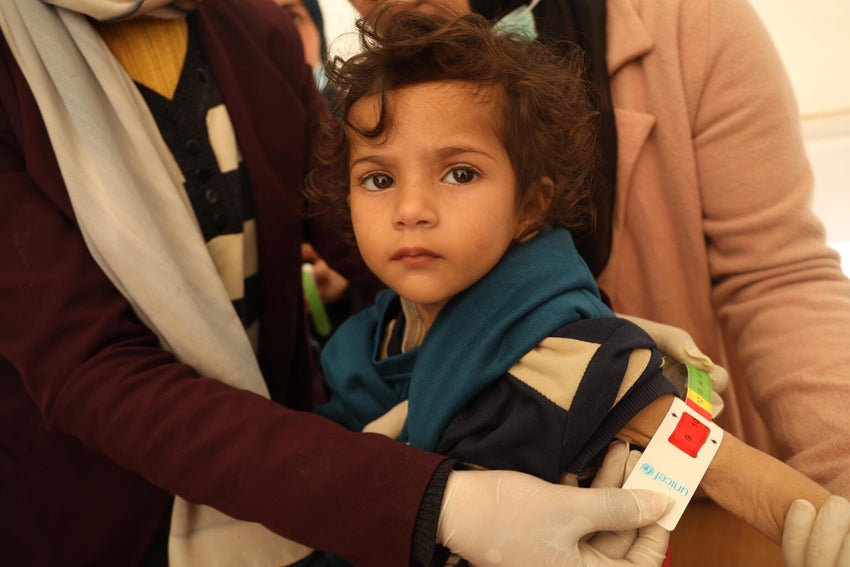
Gaza on the brink of famine
Children and their families, who have already endured immense loss and trauma, are now facing famine.
Malnutrition among children is spreading fast and reaching devastating and unprecedented levels in the Gaza Strip due to the wide-reaching impacts of the war and ongoing restrictions on aid delivery.
At least 28 children in northern Gaza Strip have reportedly died from malnutrition and dehydration, adding to the mounting toll of children killed in the Strip in this current conflict.
UNICEF continues to call for an immediate humanitarian ceasefire and for all parties to unconditionally protect children from harm, in accordance with human rights law.
Children in the region have already lived through many crises in the past years. No place is safe for children while this intense fighting continues.
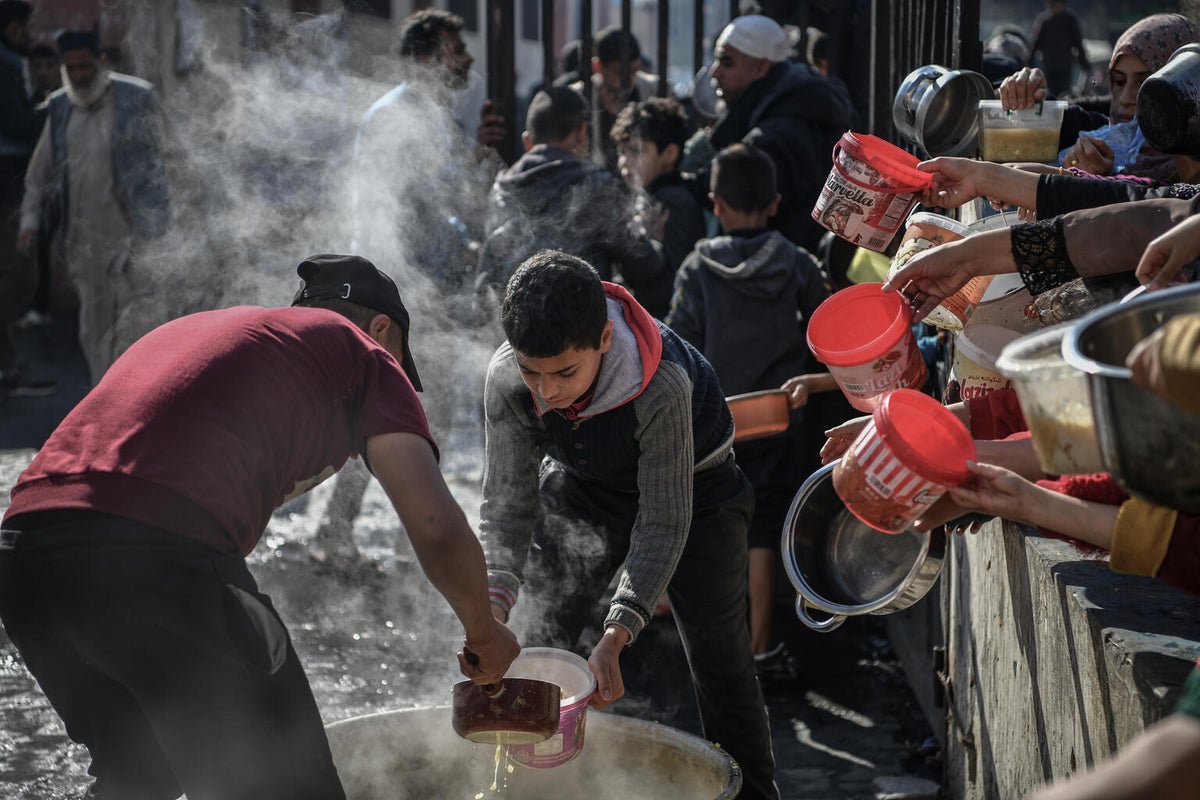
What is UNICEF doing for children in Gaza?
Before the renewed violence, Gaza was already facing a complex and challenging humanitarian situation with 1.1 million children in need of humanitarian aid – accounting for approximately half the child population.
UNICEF has been on the ground in the Gaza and the West Bank for the past four decades, working to uphold the rights of all children to access services and protection.
Our objective is to ensure that every child irrespective of background or circumstance, has an equal chance to fulfil their potential even in times of conflict.
A lasting political solution to the ongoing crisis for children is needed now more than ever. Children have the right to grow up in peace, free from the shadow of violence.
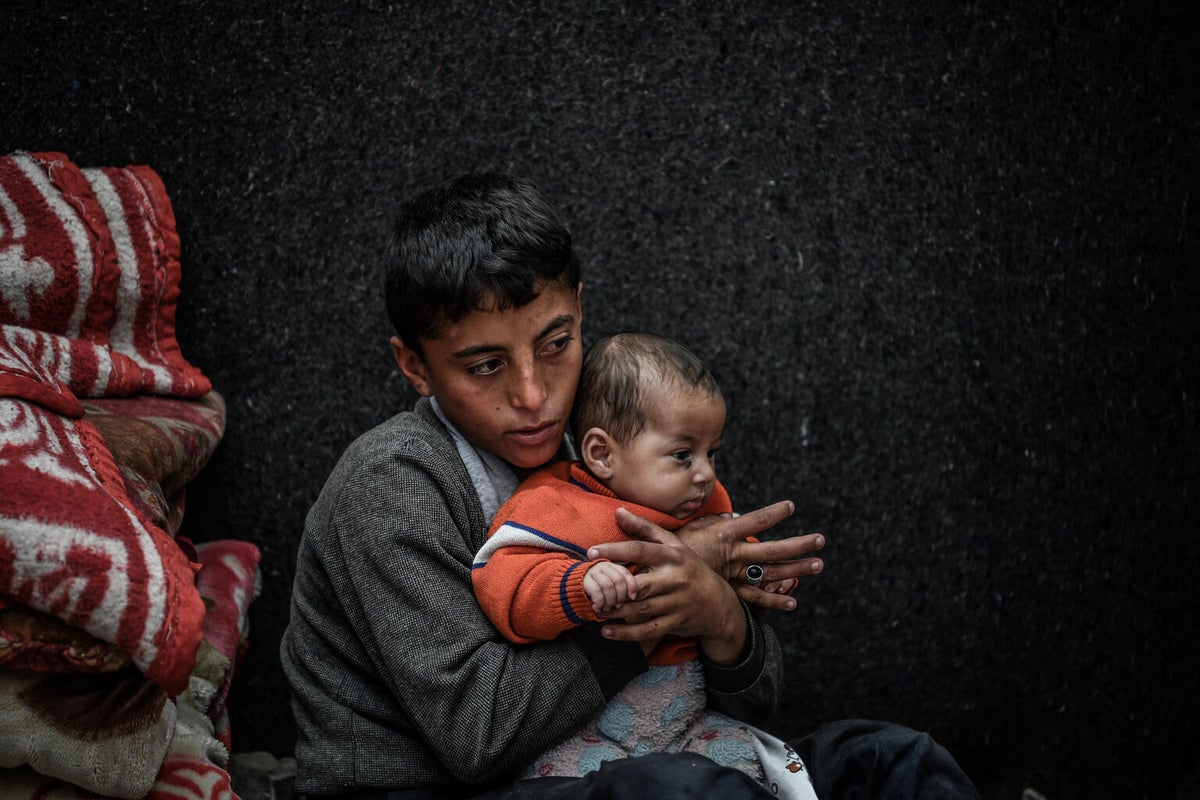
UNICEF is continuing to respond to the critical needs of children in Gaza, but access is difficult and dangerous.
UNICEF has been working around the clock to deliver desperately needed lifesaving supplies and support services, including psychosocial support, to children and their families since the conflict escalated in October 2023.
We continue to move lifesaving supplies into Gaza and across the strip wherever logistically possible due to border restrictions, the widescale destruction of the infrastructure and the threat posed by unexploded ordnances.
What is UNICEF doing for children in Israel?
No matter where they live, a child is a child. UNICEF is calling for an immediate ceasefire to hostilities and for all parties to unconditionally protect children from harm and afford them the special protection to which they are entitled, in accordance with their obligations under international humanitarian and human rights law.
Israeli children displaced by this conflict are seeking shelter in schools and emergency shelters and UNICEF is concerned for their safety and protection.
In high-income countries like Israel, governments generally have adequate capacity and resources to respond to emergencies. In these countries, UNICEF programs are not required unless requested by the Government, which Israel has not requested.
This UNICEF Australia appeal is specifically for children in Gaza where UNICEF has teams and programs.
Our work to protect and advocate for all children across Israel, Gaza and the West Bank will continue. Every single child, no matter who or where they are, must be protected.
In over 30 countries where UNICEF does not conduct programmatic activities, National Committees for UNICEF (like us at UNICEF Australia) serve as the dedicated voice of UNICEF and work to promote children's rights. The Israeli Fund for UNICEF was established in 2009 and works to raise awareness of children’s rights in Israel and to raise funds for UNICEF’s lifesaving work across the world.
Learn more about the work we do in Israel.
We are always there for children, no matter where they are
UNICEF is there for every child, amidst conflict and natural disasters – no matter where they are. UNICEF works in over 190 countries and territories to save children's lives, to defend their rights, and to help them fulfil their potential, from early childhood through adolescence. And we never give up.
But we can’t do it alone. We need your help today.
Children of Gaza Crisis
Unrelenting violence and looming famine threaten the lives of over a million children. Donate today
Stories from Gaza
Every child has the right to be healthy, educated, and live safe from harm.