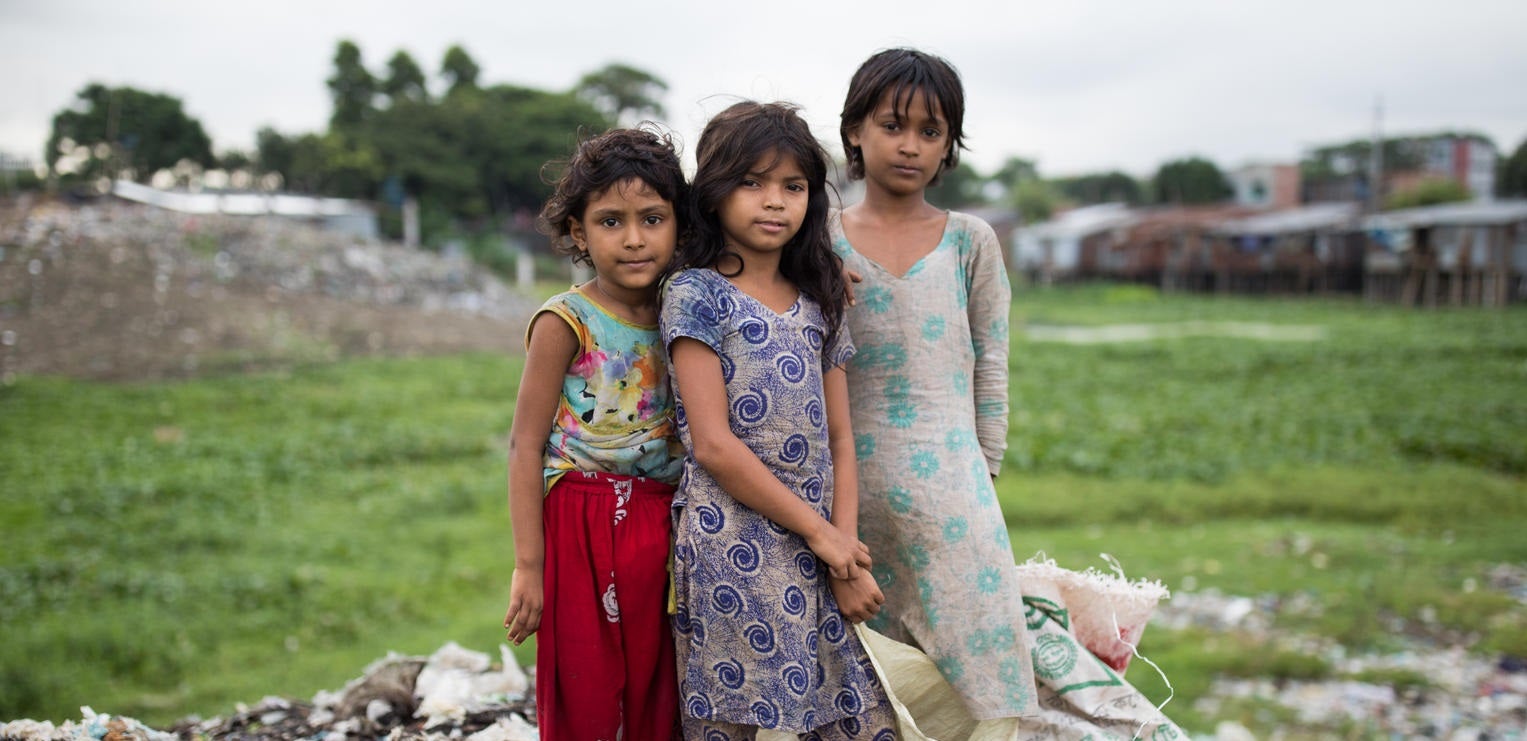
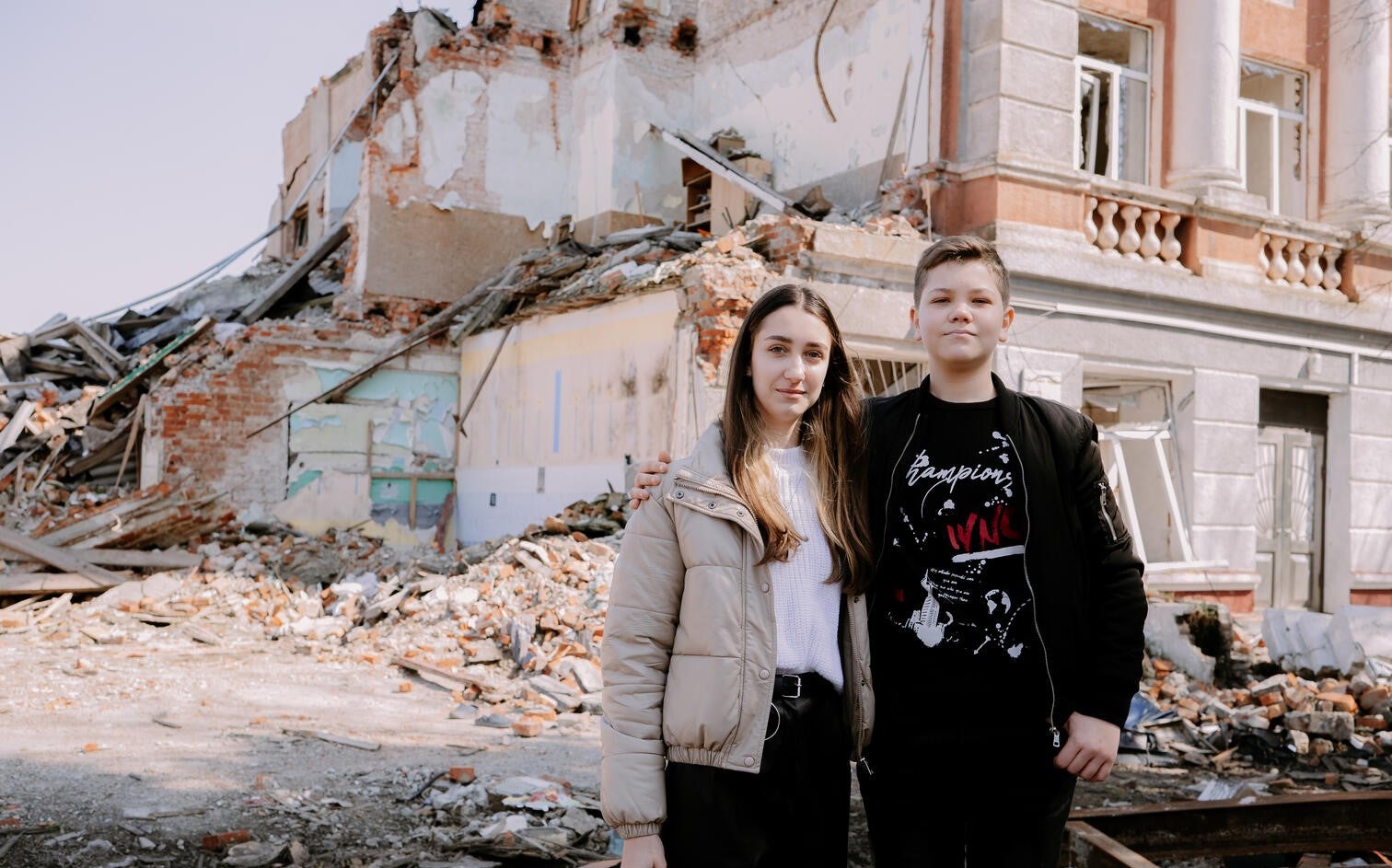
You've probably seen Ukraine in the news or heard people talking about it. Here's what's going on, and why it matters. 

On 24 February 2022, children in Ukraine woke up to the sounds of airstrikes as the conflict between Ukraine and Russia became a full-scale war. Within weeks, millions of people were forced to leave their homes, fleeing to safer areas inside Ukraine or across borders into neighbouring countries, triggering a displacement crisis on a scale not seen since World War II. By the end of 2025, more than 1.7 million children were living as refugees outside Ukraine, and over 791,000 children were displaced within the country. 

At first, many people believed the war would be over quickly. But now, four years later, the fighting has devastated families and communities across Ukraine. Many children have lost loved ones, their homes, their schools, and a sense of normalcy. 

Map illustration of Ukraine

How is the war affecting children and young people? 

The war in Ukraine has made everyday life extremely difficult for millions of young people. Many still live in fear as attacks continue, and essential services like electricity, heating, and water are often cut off. This makes it harder to feel safe, stay connected with family and friends, or focus on anything beyond survival. 

Thousands of children have been killed or injured, and many have lost family members or close friends. Millions have had to leave their homes to find safer places to live. Education has been massively disrupted, and access to basic healthcare and mental health support is limited in many areas.

Arina's diary from Ukraine: 'it’s really hard living in the cold and in the dark'

Thirteen-year-old Nazar was injured by an unexploded weapon. He lost part of his right foot and now faces a long journey of physical and emotional recovery. 
Thirteen-year-old Nazar was injured by an unexploded weapon – leftover weapons from the fighting – while walking with a friend in his village. He lost part of his right foot and now faces a long journey of physical and emotional recovery. 
© UNICEF/UNI775900/Pashkina

How many children have been hurt or killed in this war? 

It's hard to know the exact number because the fighting is ongoing and information from conflict zones is difficult to verify. Since February 2022, more than 3,200 children have been killed or injured, but the real number is likely higher. That's far too many children harmed in a war they didn't choose. 

At 16 years old, Tymofii, has been living and studying in Poland due to the ongoing war.  
At 16 years old, Tymofii, has been living and studying in Poland due to the ongoing war. UNICEF supports young people affected by the war in Ukraine by providing access to safe and flexible education options. 
© UNICEF/UNI939754/Filippov

Are children still going to school? 

Schools have been one of the hardest-hit areas. More than a thousand schools have been damaged or destroyed, and frequent power cuts make online learning difficult. This means many young people are missing out on years of in-person learning and time with their friends. Some children, especially those living near active fighting, have spent long periods sheltering underground to stay safe. Imagine spending months in a basement or bunker – it's incredibly stressful and scary.  

Veronika, 16, turns to music to process grief after her father's death, she channeled her pain into creativity – playing classical piano and founding an all-girls rock band.
Veronika, 16, turns to music to process grief and find light in dark times. After her father's death, she channeled her pain into creativity – playing classical piano and founding an all-girls rock band. "What comes out is often light," she says. "That light pushes the darkness away." 
© UNICEF/UNI940455/Filippov

How is the war impacting children’s mental health? 

War doesn't just cause physical harm; it takes a serious toll on mental health too. Many young people in Ukraine are living with constant fear, grief and uncertainty, not knowing if their loved ones are safe or whether they'll ever get to go home. Some regularly shelter underground during airstrikes, disrupting school, separating them from friends, and making normal life impossible.  

The impact is real: 1 in 3 children reported feeling so overwhelmed with sadness and hopelessness that they couldn't do their usual activities. 

Andrii sits in the communal room where his family is temporarily living in Ukraine. Bunk beds and basic furniture fill the narrow space, which the family uses for sleeping, studying and daily life.
Andrii sits inside the communal room where his family is temporarily living in Ukraine. Bunk beds and basic furniture fill the narrow space, which the family uses for sleeping, studying and daily life.
© UNICEF/UNI930891/Malashina

What does it mean when people are ‘displaced’?

When we say people have been displaced, it means they’ve been forced to leave their homes because it’s not safe to stay. There are two main types of displacement. Internally displaced, which means someone has moved to a safer part of their own country, for example, from eastern Ukraine to cities in the west. Refugees are people who have fled across international borders to find safety in countries like Poland, or even as far away as Ireland or Australia.  

Being displaced often happens suddenly. Families leave behind their homes, schools, friends and belongings, without knowing when, or if, they’ll be able to return. Even in safer places, life feels uncertain and unstable.

Born in Ukraine just weeks before the full-scale war began, three-year-old Yehor has spent his entire life in displacement. Yet, in moments like this, his childhood shines through.
Born in Ukraine just weeks before the full-scale war began, three-year-old Yehor has spent his entire life in displacement. Yet, in moments like this, his childhood shines through. 
© UNICEF/UNI735819/Filippov

Where did people go when the war started? 

When the war started, millions of people had to flee quickly to find safety. Some families moved to safer parts of Ukraine, staying with relatives or in temporary shelters. Others crossed into neighbouring countries like Poland, Romania, Hungary, Moldova.  

As the war dragged on, some people travelled much further to rebuild their lives – even to countries like Australia. Many families thought they’d only be gone for a few weeks or months, but millions are still living far from home, often unsure when they’ll be able to return. 

Three-year-old Katya, who was born into war, has already experienced more upheaval than many do in a lifetime – airstrikes, evacuation, separation from her father, and an eventual return home. 
© UNICEF/UNI735902/Filippov

Have people who left Ukraine returned home? 

Yes, some people have returned home, but many haven’t. 

Over time, some families have gone back, especially to areas where fighting has stopped or become less intense. Many returned because they missed home, wanted to reunite with family, or hoped life could start feeling normal again. 

But millions of people are still displaced. Many homes, schools and health centres have been damaged or destroyed, some areas remain unsafe, and jobs are scarce. For many families, especially those with children, going home isn’t a simple choice. It depends on whether it’s safe, whether there’s housing, and whether children can actually live, learn and grow there again. 

Ten-year-old Andrii lost his father and experienced the extreme danger and stress of being close to attacks during the war.
Ten-year-old Andrii lost his father and experienced the extreme danger and stress of being close to attacks during the war. Yet, he always finds the strength to see the world anew, support his mother and pursue his dreams
© UNICEF/UNI738309/Filippov

What is the world doing to help? 

People and countries around the world are responding to the crisis in different ways. 

Humanitarian organisations like UNICEF provide children and families with access to clean water, lifesaving nutrition, warm clothes, healthcare, mental health support, and safe spaces to learn. UNICEF is also helping to repair schools, support access to education, and protect children from harm.  

Many countries have welcomed refugees, offering safe places to live and access to schools, healthcare and support services. Governments, charities and everyday people have donated money and supplies, while world leaders and international organisations continue to push for peace.  

Children at a UNICEF-supported community centre take part in activities to support their mental health during power blackouts caused by the war. 
© UNICEF/UNI914787/Kruchkova

How UNICEF is helping children in Ukraine

UNICEF has been working with local partners to reach millions of children and their families with safe drinking water, lifesaving healthcare and nutrition, access to education and learning supplies, child protection services, and mental health support. We also support Ukraine’s children and their families living in neighbouring countries to access services such as education and healthcare.
The impact of war on Ukraine’s children and young people in numbers  

Since the war in Ukraine escalated in February 2022, the lives of children and their families have been thrown into chaos.   

1.6 million children lack access to safe water. 

1.9 million children need help in Ukraine.

1 in 3 children unable to attend in-person learning. 

Children in frontline areas have spent up to 5,000 hours – nearly 7 months – sheltering underground.

1 in 3 children reported feeling so hopeless and sad that they couldn't do their usual activities.

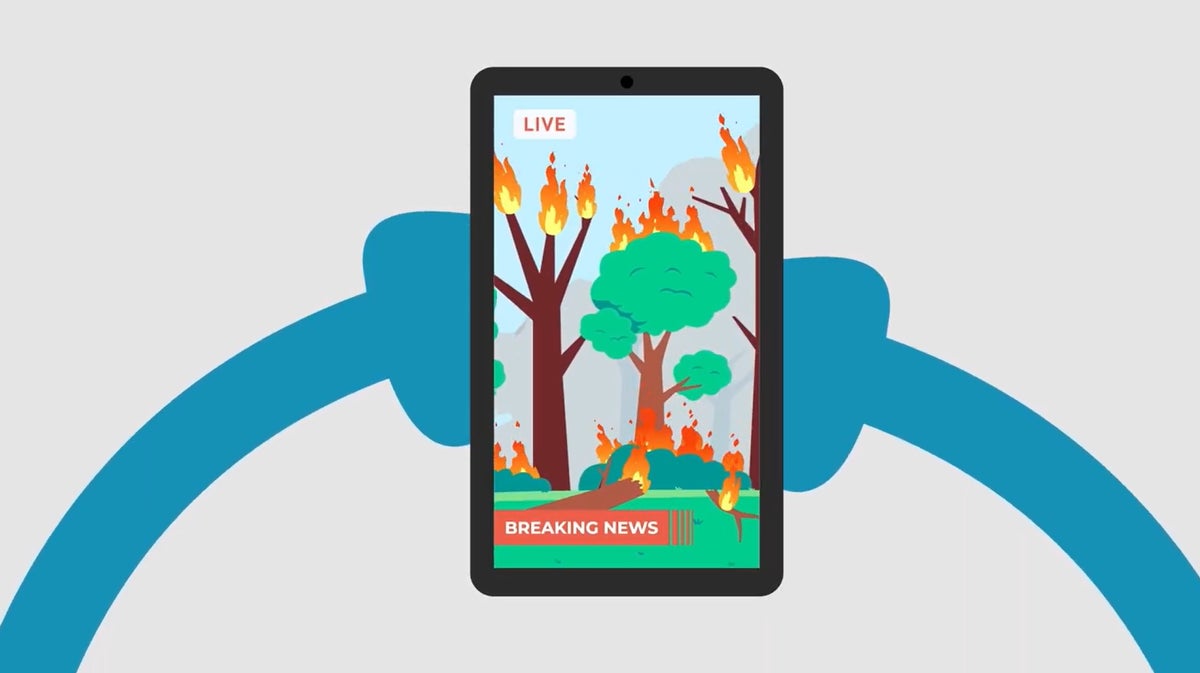
How do we know what is true and what is fake news? 

It can be hard to tell what’s true online, especially during a war when misinformation spreads quickly. Here’s how to navigate it: 

  • Check the source: Trust well-known news outlets or organisations like the UN or UNICEF. If a story is real, it's usually reported by multiple reliable sources, not just one random account. 
  • Watch for red flags: Be careful with posts that use extremely emotional language or shocking images. Photos and videos can be old, taken out of context, or even completely fake. 
  • Ask questions: Who posted this? How do they know? Where did this information come from? 
  • Pause before sharing: If you're unsure whether something is true, don't share it. It's better to wait and verify than to spread misinformation. 

How to deal with upsetting news

When natural disaster strikes or conflict breaks out, it is ok to feel scared, worried or sad. Adults can feel this way too. When you’re feeling overwhelmed, remember: 

  • It's in the news because it's serious, but also because people care: When bad things happen, it's also a time when people come together to help each other. 
  • You can take a break: If reading about the war feels like too much, it's okay to step back, log off, and give yourself space. 
  • Talk about it: Share how you're feeling with trusted adults, friends, or a counselor. Asking questions is healthy. 
  • Focus on what you can control: You can't stop the war, but you can stay informed, support others, and take action in meaningful ways. 

When it all feels too much, it's ok to switch off

What can you do to help? 

Gather your family, friends and school and fundraise for children in Ukraine.