Devastating earthquake strikes eastern Afghanistan
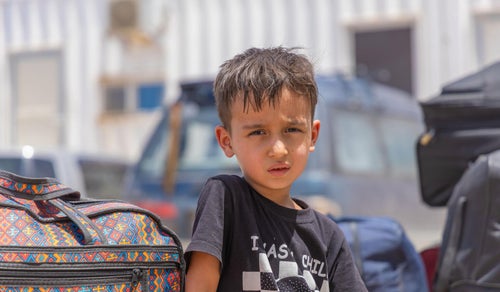
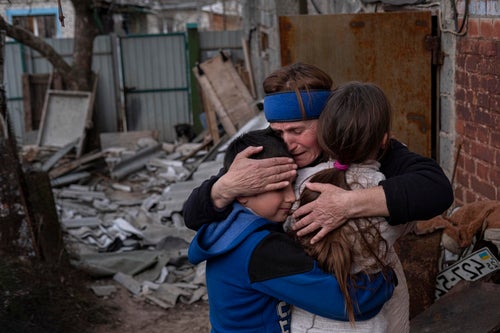
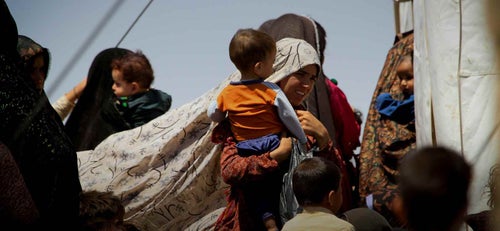
A powerful 6.0-magnitude earthquake struck eastern Afghanistan late on 31 August 2025, which was followed by a series of aftershocks, causing widespread devastation. Thousands of lives have been lost, and thousands more injured as entire villages have been flattened. Landslides have cut off remote communities, making rescue operations even more challenging.
UNICEF teams are on the ground, working with local partners to deliver urgent support across healthcare, safe water, sanitation, nutrition, child protection, and psychosocial services. UNICEF is also rushing critical supplies, including medicine, hygiene kits, warm clothing, blankets, kitchen essentials, and temporary shelter, to families in need.
Children impacted by this devastating earthquake need us more than ever – and the first 48 hours are the most critical. Help UNICEF deliver essential lifesaving services and supplies by donating today.
UNICEF has been in Afghanistan for over 70 years, helping to ensure children are healthy, educated and safe from harm.
Set within a striking landscape of dry desert and mountainous terrain, Afghanistan is an intriguing nation that dates back to 7,000 B.C. Rich in culture and tradition, the country’s tumultuous past is both complex and enduring. Today, Afghanistan is one of the worst humanitarian crises in the world with about 22.9 million people, including 12 million children, in need of humanitarian support. Plus, children continue to face many challenges, including ongoing conflict and extreme climate shocks.
Over the past decade, Afghanistan has made huge strides in children’s health and education, but since the political transition in 2021, the situation continues to change daily, with many children facing an uncertain future.
Thanks to our generous donors, our emergency relief work and long-term development programs focus on keeping mums and their babies healthy, providing access to clean and safe water, protecting children from harm, and delivering quality education. We are also there when emergencies strike so that Afghanistan’s children and young people receive lifesaving support when they need it the most.
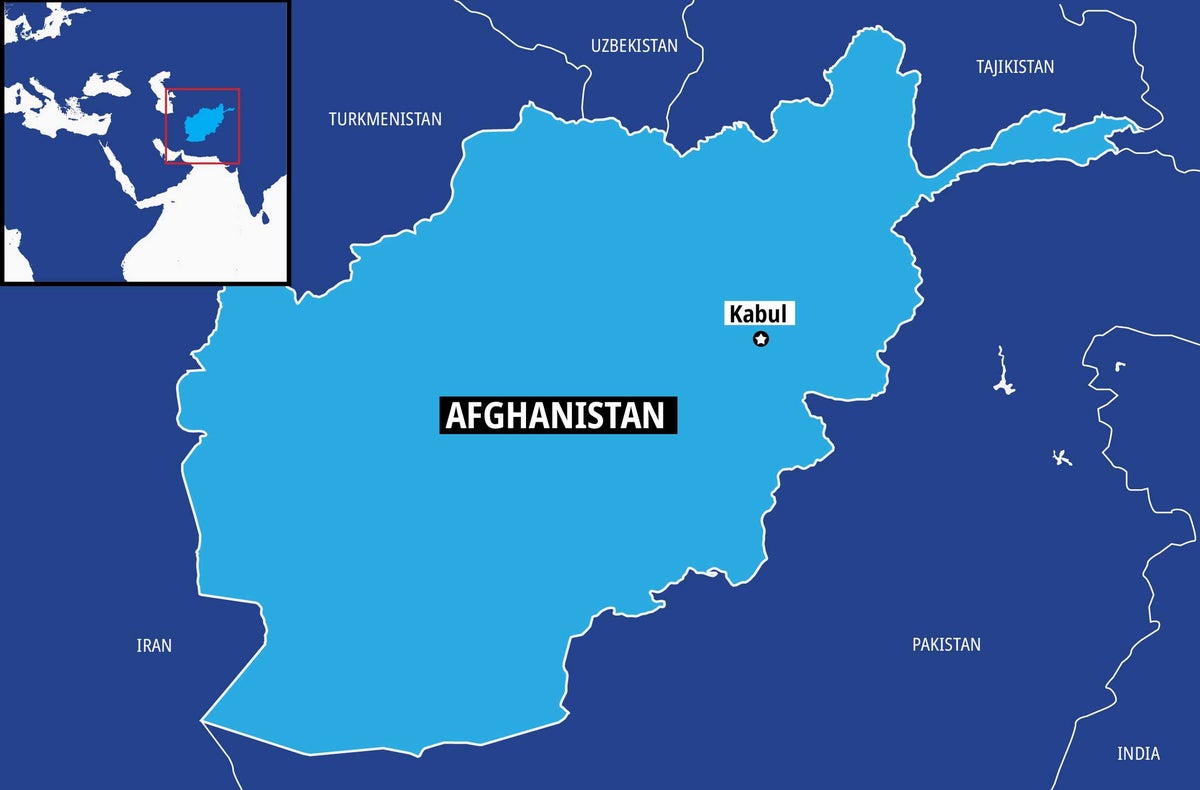
Located in Central Asia, Afghanistan borders Pakistan and Iran
Afghanistan’s many challenges
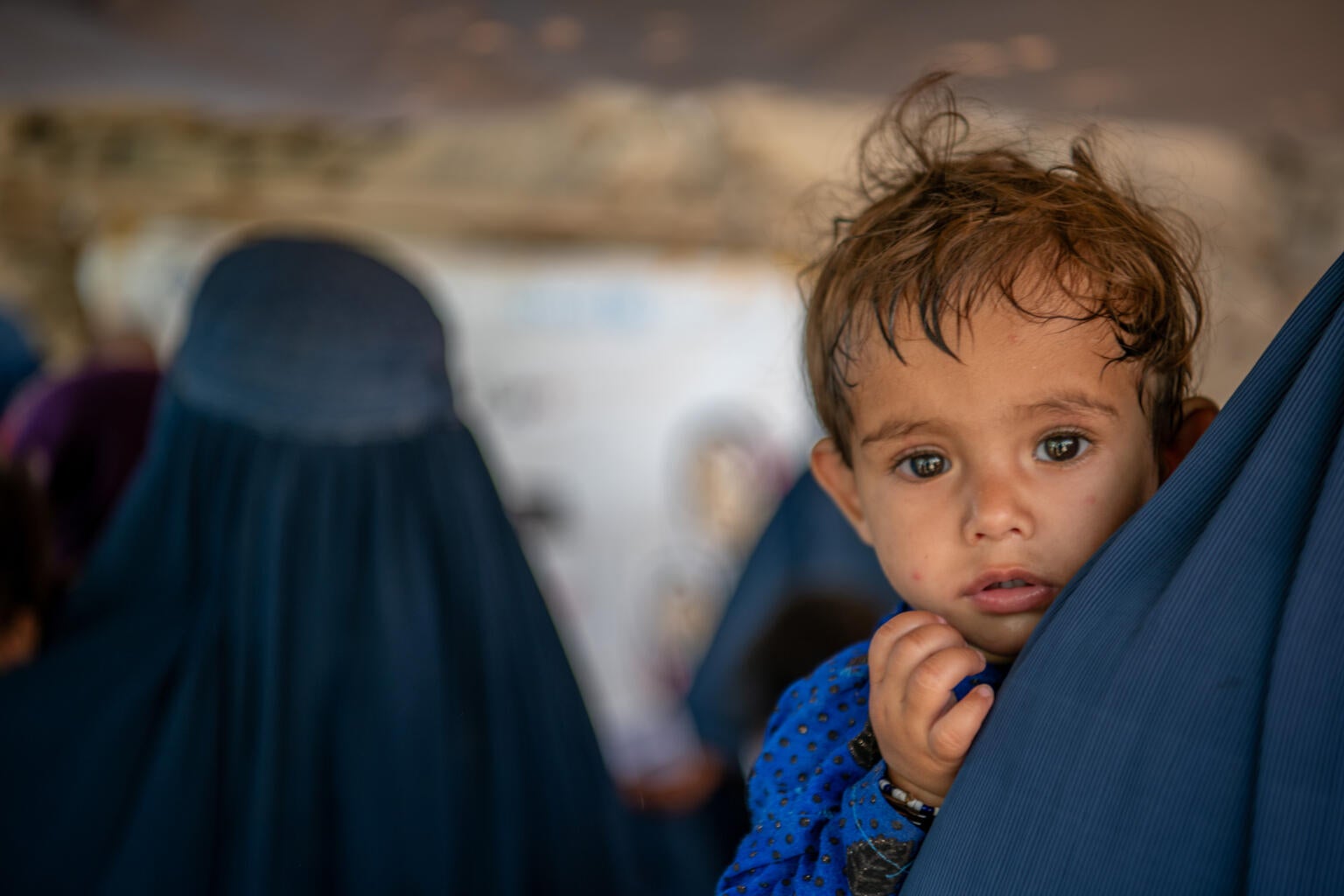
Sadly, Afghanistan is known for being of one of the most dangerous places to be a child. Conflict has been part of daily life for over two decades, meaning most children have never known peace. Many children face the impacts of trauma due to ongoing conflict, displacement and harmful social norms and practices, which can severely impact their psychosocial wellbeing and development.
Severe acute malnutrition is devastating children and families. Afghanistan has one of the world’s highest rates of stunting in children under the age of five, and one in three adolescent girls suffers from anemia.
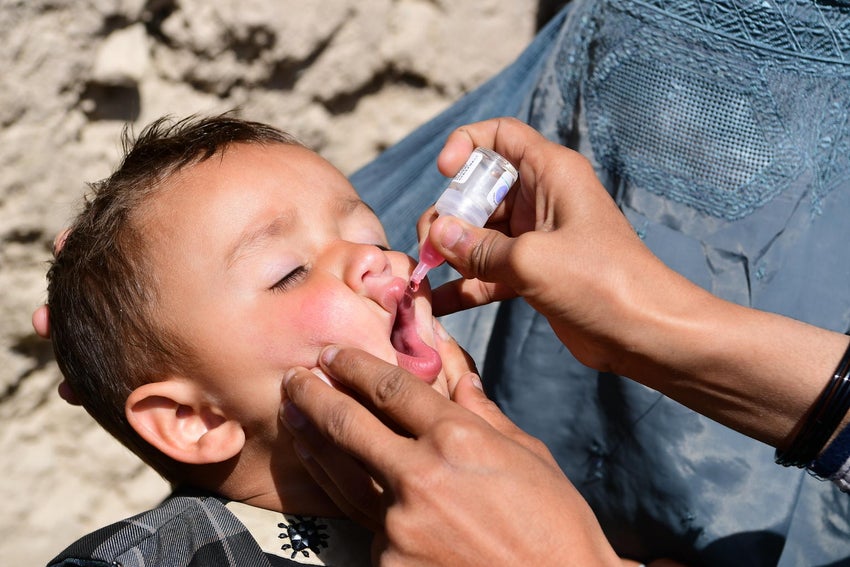
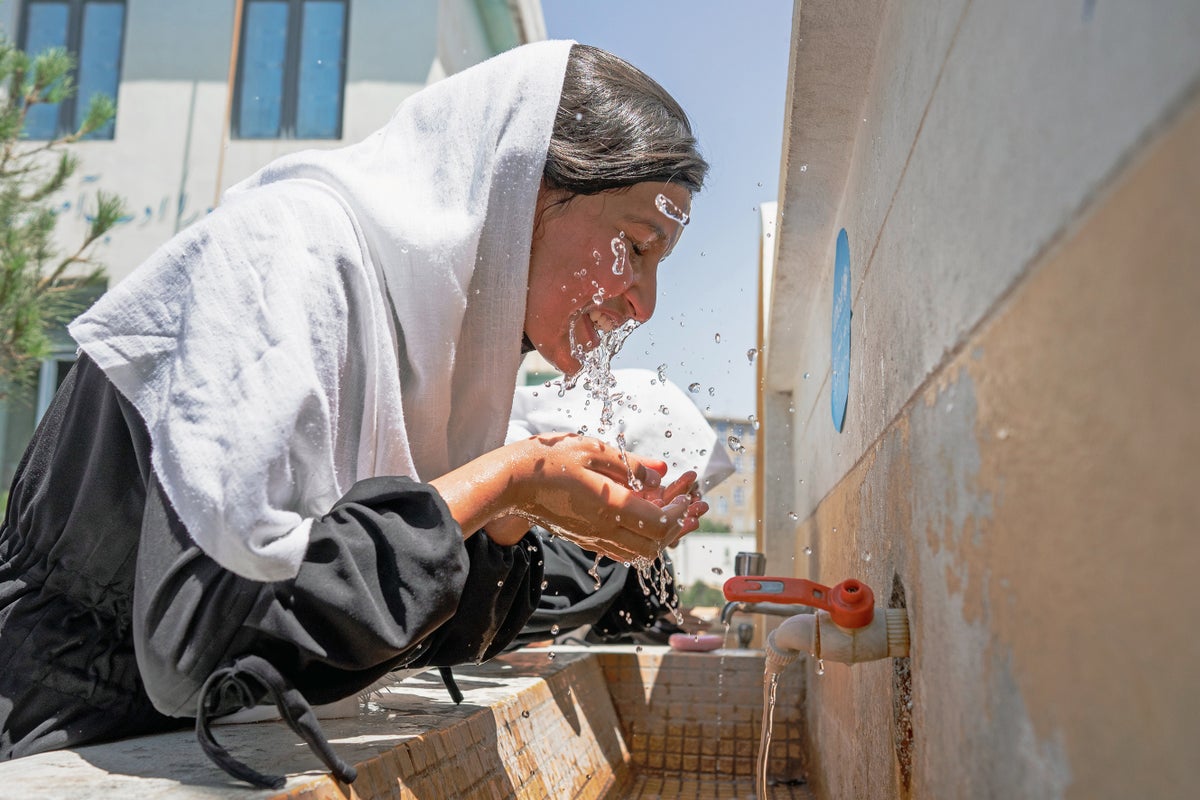
Additionally, Afghanistan is one of only two countries in the world where polio is still endemic (the other is neighbouring Pakistan). In some provinces, routine vaccination remains low due to myths, misinformed beliefs and rumours. Then there is the water crisis that’s gripping Afghanistan. There is a lack of safe drinking water, and children often have to walk long distances to collect water in heavy jerry cans.
8 out of 10
people in Afghanistan are drinking unsafe water.
4.2 m
in 2024, 4.2 million children are out-of-school in Afghanistan with 60 per cent of them being girls.
How we’re protecting the rights of children in Afghanistan
UNICEF has been in Afghanistan for over 70 years, working with local partners to provide medical care to displaced families, deliver emergency water and sanitation facilities, vaccinate babies against preventable diseases and treat children who are severely malnourished.
Every year we’re reaching nearly 1.4 million children under one year with lifesaving vaccines and 20.3 million people with access to healthcare services. We’re advocating for girls’ education, while finding alternative pathways to learning to increase education opportunities for the hardest-to-reach children.
UNICEF is on the ground, working to break the inter-generational cycle of malnutrition by ensuring children who are severely malnourished receive timely treatment. We're also focusing on prevention, which includes improving breast feeding practices and diets of children to increase the variety of foods they eat. And when emergency strikes, we’re on the ground, helping to keep children safe from harm.
1.2 m
In 2023, UNICEF reached over 1.4 million children under one year with lifesaving vaccines.
5.6 m
In 2023, UNICEF provided over 5.6 million children with access to emergency education support.
The power of water in Afghanistan
Education for the girls of Afghanistan
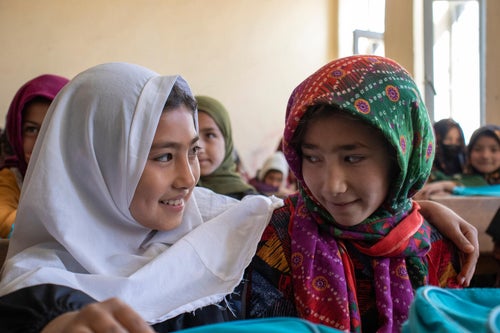
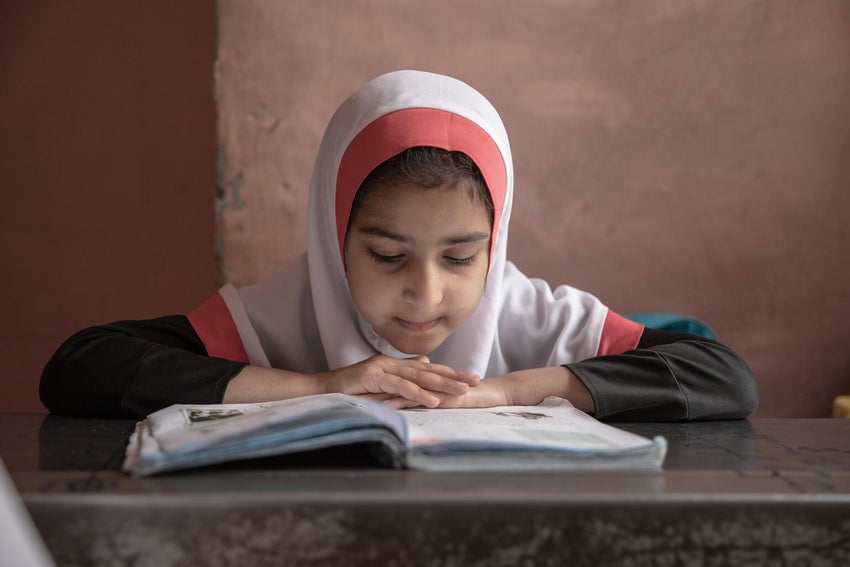
On 23 March 2022, the authorities in Afghanistan announced that schools would not reopen for girls in grades 7-12. Across the country, girls were devastated as they were forced to remain home while their brothers and young sisters returned to school. Over two years later, UNICEF continues to advocate for secondary schools to reopen.
We are also doing everything we can to support children’s education in Afghanistan. In 2023, UNICEF supported 686,000 children (60 per cent girls) with education services through 21,355 community-based education classes. We distributed classroom materials, teaching, and learning materials, high-performance tents, and textbooks, benefitting over 6.3 million students across the country.
We are assisting with reopening schools that have been closed for many years due to insecurity and lack of funding, and we are supporting the selection and training of teachers, including payment of their salaries.
In Afghanistan, we're making a difference in:
Help the children of Afghanistan
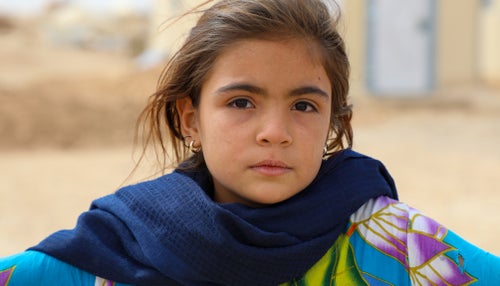
By donating today, you can help children like Nazdana to achieve her dream of one day becoming a journalist and an advocate for people in her community.
The impact of our work
Every child has the right to be healthy, educated, and live safe from harm.