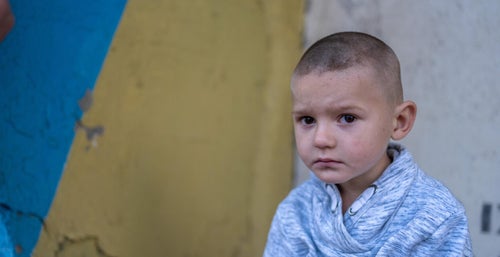
The war in Ukraine is robbing children of their childhood.
Sitting along the shoreline of the Black Sea, Ukraine, in Eastern Europe, is rich in culture and natural resources. The area we now know as Ukraine has a long and complicated history that goes back tens of thousands of years. More recently, though, in 1922, it became part of the Soviet Union, a communist state that included several other countries, such as Lithuania and Russia. Since gaining independence (and the collapse of the Soviet Union) in 1991, Ukraine has been forging its own path towards economic stability. But sadly, it’s been troubled by ongoing conflict with its neighbour, Russia.
Russia and Ukraine share a deep cultural, economic, and political history, making Ukraine important to how Russia sees itself. Since 2014, the conflict between the two nations has been affecting children and families, especially along the border with Russia. In early 2022, the conflict escalated into a war, causing mass displacement on a scale and speed not seen since World War II – by the end of 2023, over 6.3 million people fled to neighbouring countries and about 3.7 million were displaced within Ukraine.
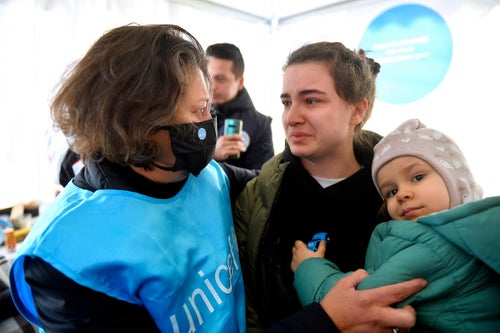
Alongside our partners, UNICEF remains in Ukraine and neighbouring countries, supporting children and their families with lifesaving services and supplies.
The cost of the war on Ukraine’s children
Since the conflict escalated on 24 February 2022, the impact on the lives of Ukraine’s children has been immense.
Childhoods are being shattered
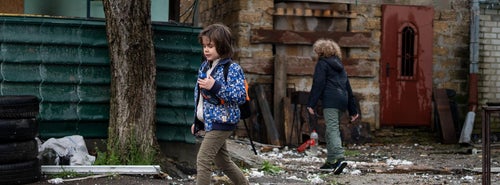
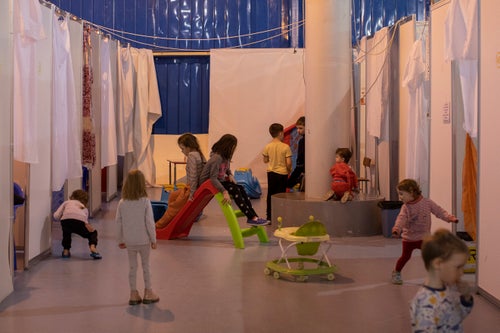
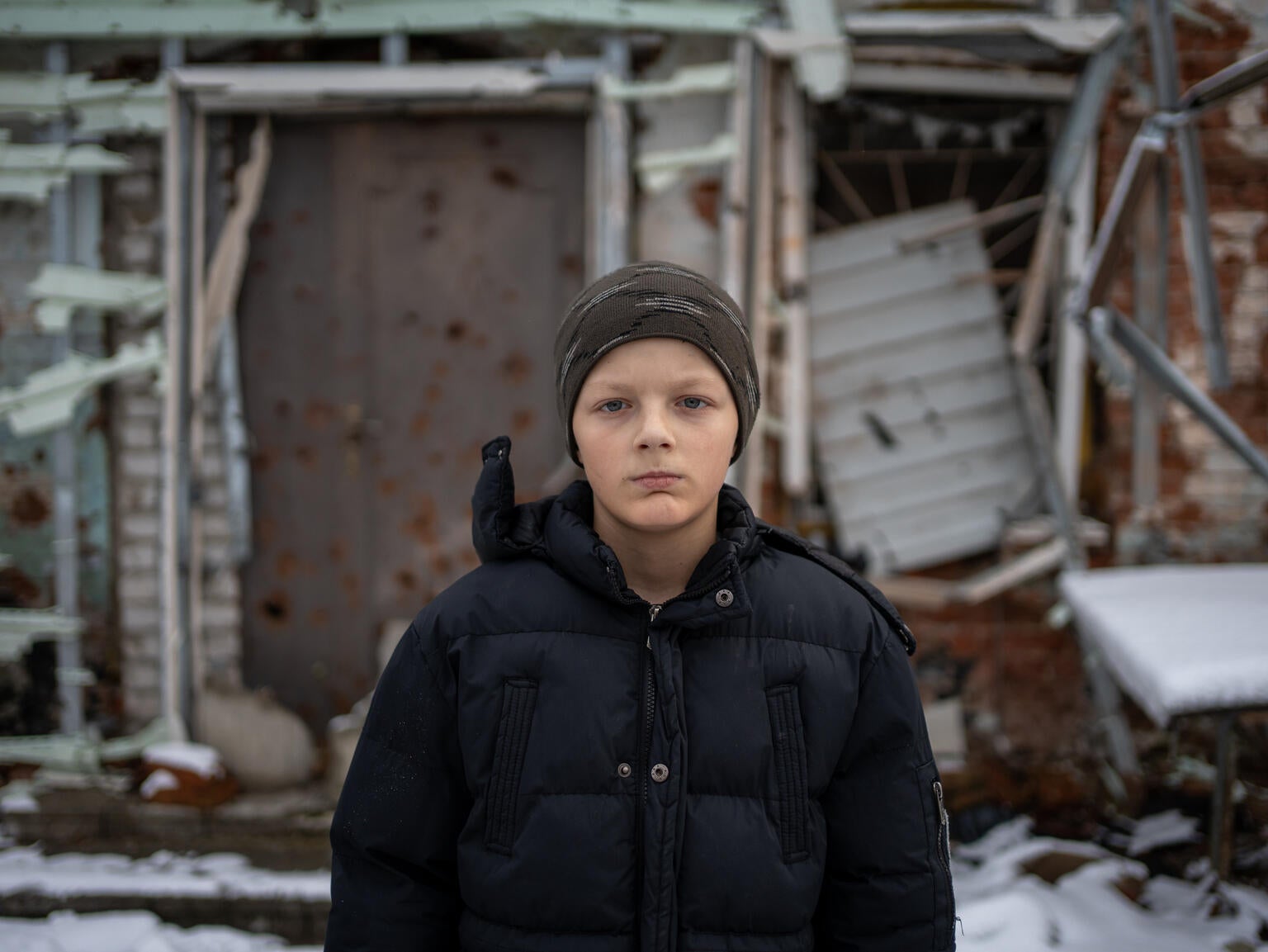
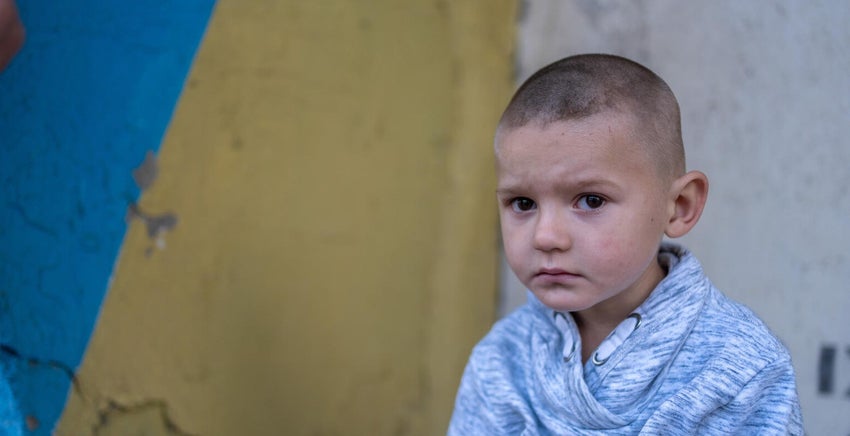
Children have experienced destruction, displacement, violence, and separation from family and friends. Sadly, over 1,800 children have reportedly been killed or injured; but the true number is likely far higher. Vital infrastructure has either been damaged or destroyed, limiting access to electricity, heating, water and telecommunications.
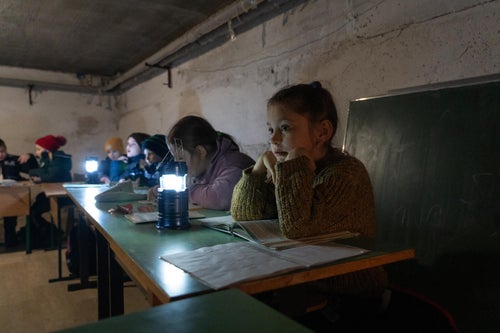
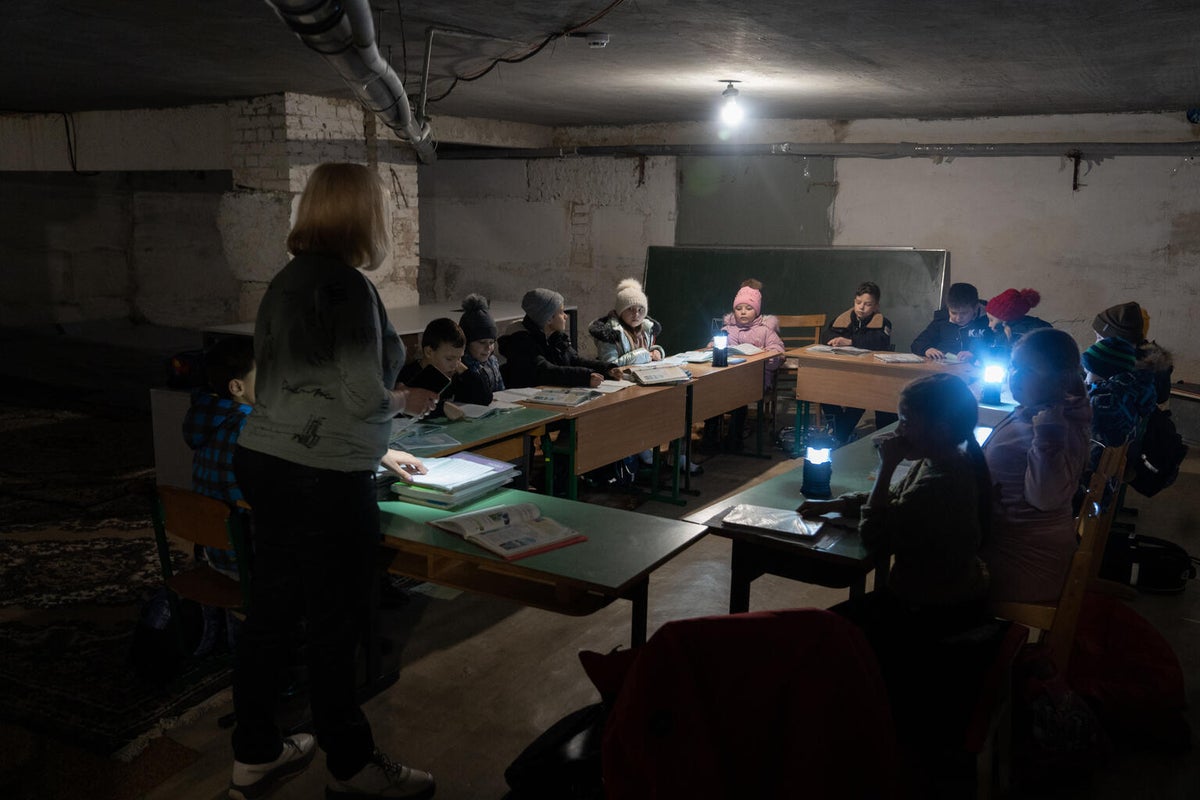
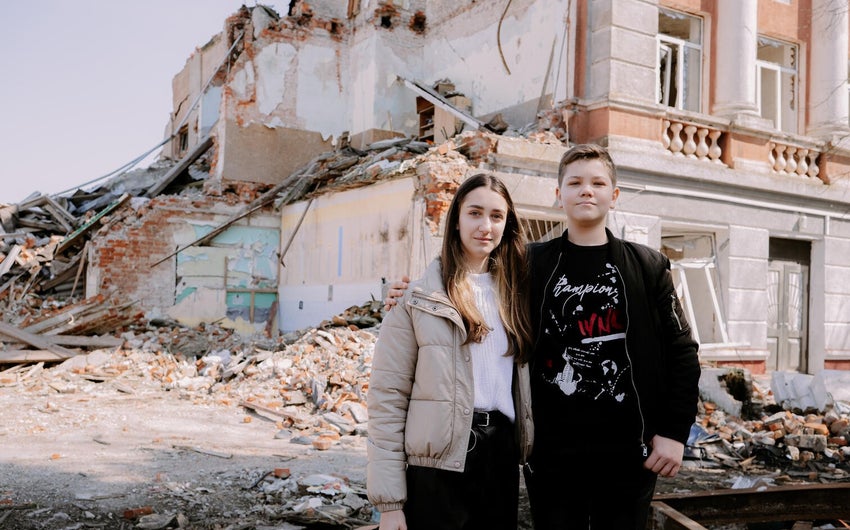
Schools have also been damaged or destroyed, leaving Ukraine’s children with limited access (and in some cases with no access) to education, which has led to a learning and mental health crisis. Children continue to face risks to their safety and wellbeing as attacks and fighting continue, especially families living in areas close to the frontline.
2.9 m
Children in need inside Ukraine.
4 m
Children have had their education disrupted, with around 600,000 without in-person schooling.
Latest news
Ten young Ukrainians share glimpses of their childhoods.
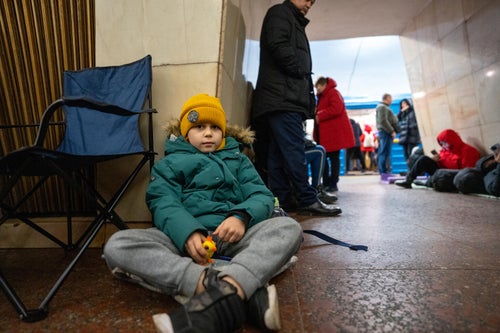
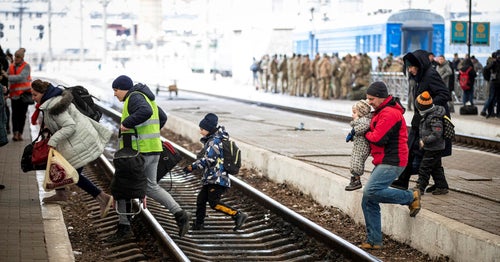
On 24 February 2022, children across Ukraine woke to terrifying sounds of air raid sirens. Gathering what they could, families fled to safety, either underground or across the borders into neighbouring countries, triggering one of the largest displacement crises since World War II.
Now, three years into a full-scale war and 11 years of conflict in the country’s eastern region, families have been torn apart and childhoods shattered, while Ukraine’s youth are in the midst of a severe mental health and education crisis.
How is UNICEF helping?
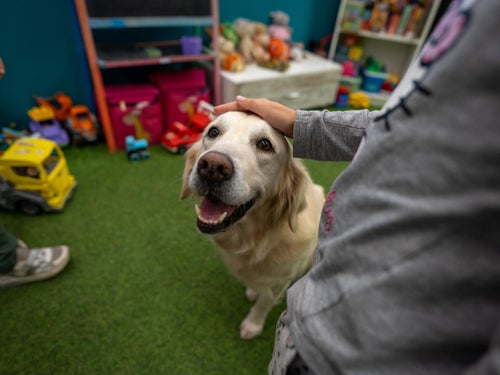
Since the escalation in February 2022, UNICEF has been working with local partners to reach millions of children and their families with safe drinking water, lifesaving healthcare and nutrition, access to education and learning supplies, winter clothing and blankets, child protection services, and psychosocial support. We also support children and their families who are taking refuge in neighbouring countries to access essential services such as education and healthcare.
8.76 m
UNICEF reached 8.76 million people with humanitarian assistance in 2023, including 2.96 million children.
1.3 m
UNICEF reached over 1.3 million children with access to education in 2023.
5.4 m
In 2023, UNICEF provided over 5.4 million people with access to clean water.
2.5 m
In 2023, UNICEF reached over 2.5 million people with mental health and psychosocial support.
Child-friendly explainer about the war in Ukraine
Discover what is happening in Ukraine and what you can do to help children in need.
Children of Ukraine Crisis
After three years of war, children need you more than ever. Donate to UNICEF's ongoing efforts in Ukraine.